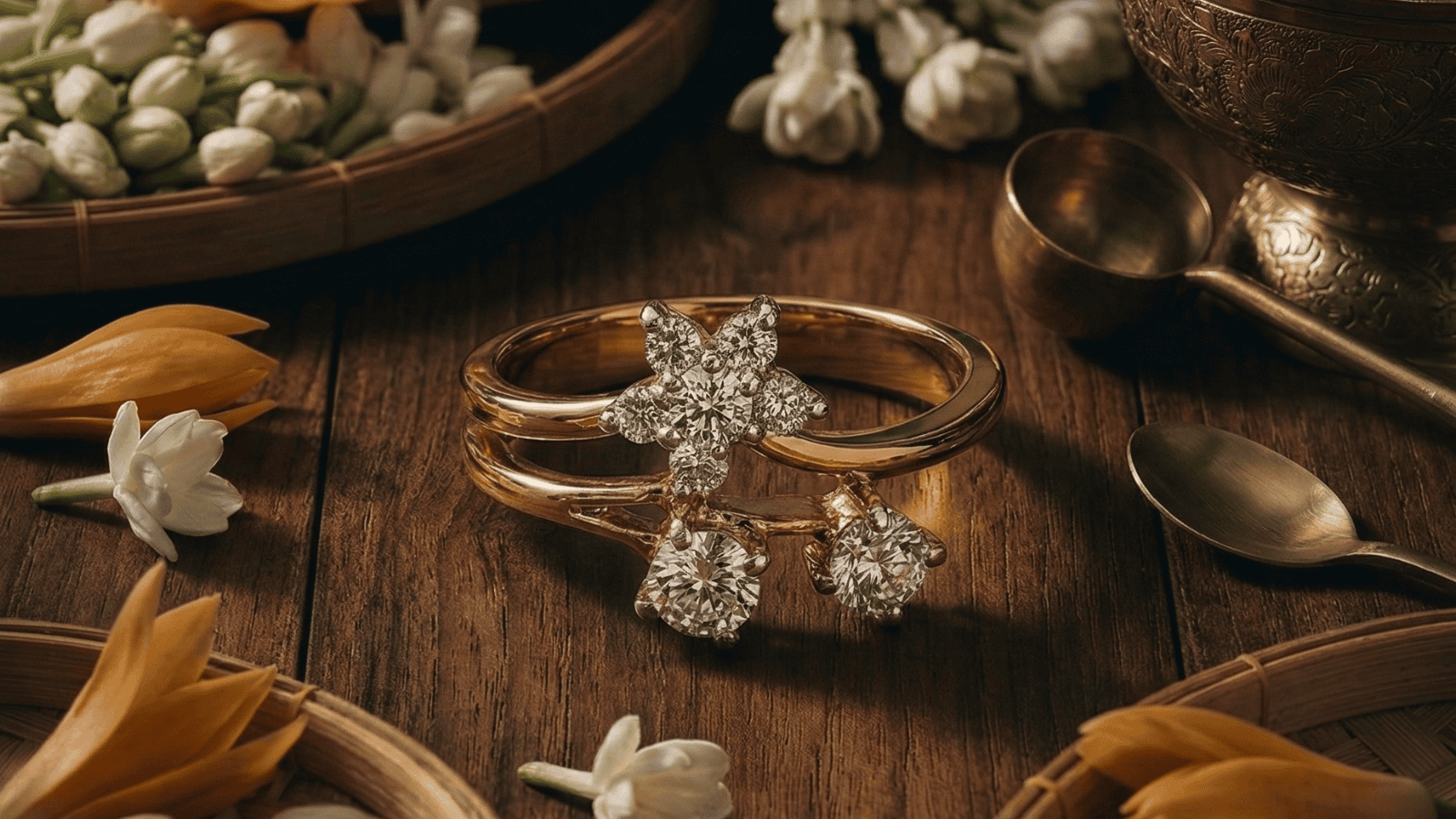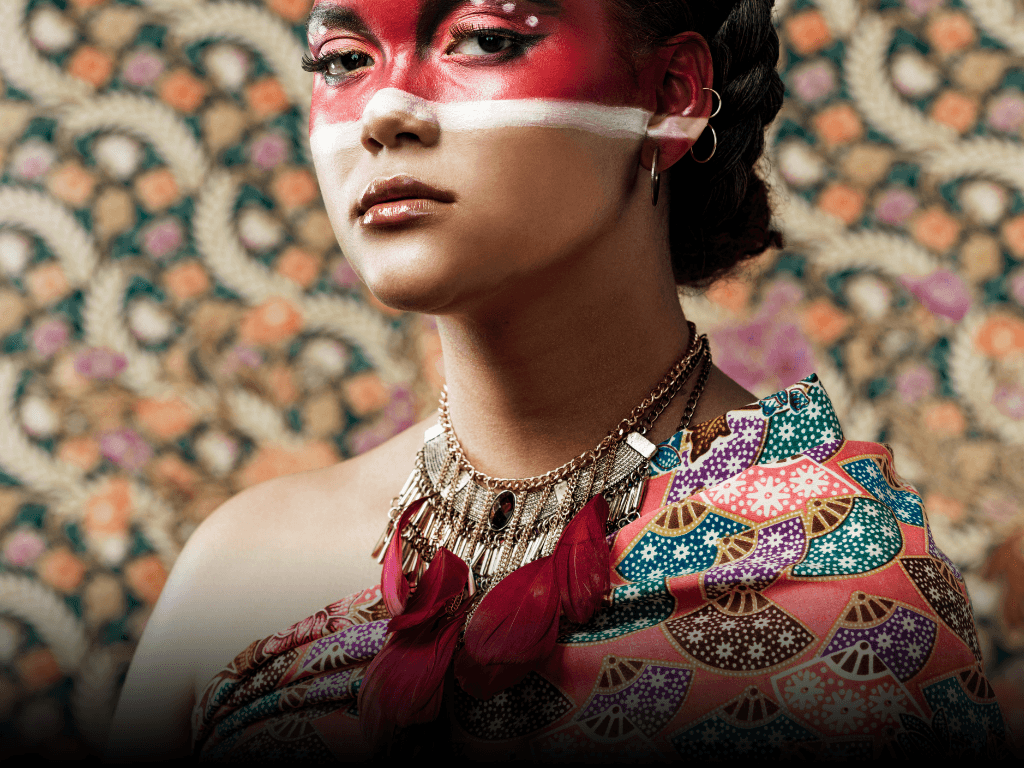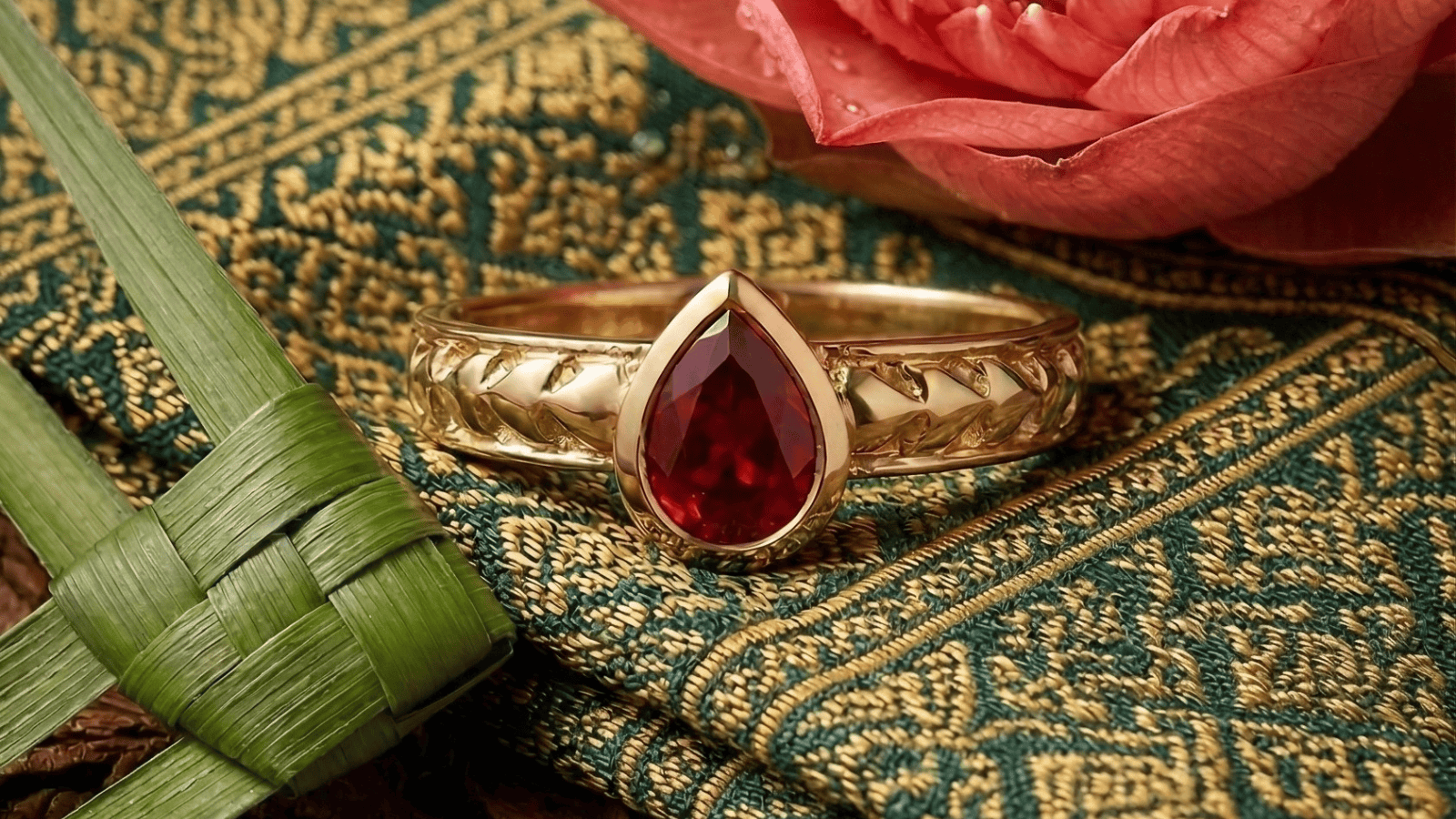
In the modern jewelry industry, the race toward mass production and absolute automation is the standard. Yet, for Bangkok-based fine jewelry brand Siamrington, the true value of a piece lies in the deliberate, time-intensive process of human craftsmanship. Siamrington operates on a philosophy that balances modern structural precision with the irreplaceable touch of traditional artisans.
When discussing the integration of modern tools alongside traditional handcrafting,
“Ultimately, tools and technology are just there to save human effort,” Jittima notes. “But the refinement and the distinct aura of Thai jewelry still rely entirely on the artisan's ability to transfer their spirit and identity into the piece. We willingly spend more time than what is considered normal to preserve the narrative of handcrafted work.”
This dedication to authentic storytelling is rooted in a deep respect for local Thai and Southeast Asian culture, which forms a primary pillar of Siamrington’s brand positioning. However, Jittima takes a distinctly different approach from other bespoke Thai jewelry brands. Rather than replicating literal, traditional Thai motifs such as the classic Kanok patterns. Siamrington interprets cultural elements through a more conceptual lens.
The brand draws inspiration from Thai vocabulary, classic literature, and local fauna, translating them into unusual yet classic designs. A prime example is the brand’s signature peacock necklace. Instead of crafting a direct, literal shape of a bird, the design utilizes precise gemstone placement to evoke the visual rhythm and texture of a peacock’s tail feathers.
This concept of "rhythm" extends far beyond visual design at Siamrington. it is literally echoing through their workshop. Jittima, having grown up surrounded by Thai literature and music, points out that traditional Thai music, classical compositions, and even local Luk Thung (Thai country music) are deeply embedded in the daily culture of her artisans.
“Thai music has a beautiful flow, playing with words and tempos,” she explains. This rhythm directly translates into the physical creation of the jewelry. Whether the artisans are striking metal, polishing surfaces, or assembling components, their movements often align with the heavy and light beats of the music playing in the studio.

Siamrington actively captures this dynamic in their demonstration videos, offering clients an engaging, rhythmic behind-the-scenes look that delivers a genuine, relaxed, and inherently Thai atmosphere.
Looking toward the broader industry, Jittima sees immense, untapped potential for Thai handcrafted jewelry on the global stage. She believes that the private sector and local craftsmen have the capability to drive economic and cultural development forward, provided that brands focus on cultivating unique, creative identities.
Armed with a strong foundation of natural gemstone resources, highly skilled artisans, and rich cultural heritage, she is confident that Thailand's jewelry sector can compete with anyone in the world.
To push this vision forward, Siamrington is already planning its next technical focus: the elevation of traditional Thai hand-enameling, known as Long-ya. It is a highly meticulous technique that requires significantly more time and precision than standard jewelry finishes.
“It is a skill that we want to push further,” Jittima states, outlining the brand's future roadmap. “We believe that if we can develop this technique and help our clients see the same vision we do, Siamrington’s enamel work will go exceptionally far.”
By stripping away the literal and focusing on the essence whether through the metaphorical use of gemstones, the rhythm of a jeweler's hammer, or the revival of traditional enameling
Siamrington proves that preserving heritage does not mean living in the past. It means finding a new, sincere way to tell the story.