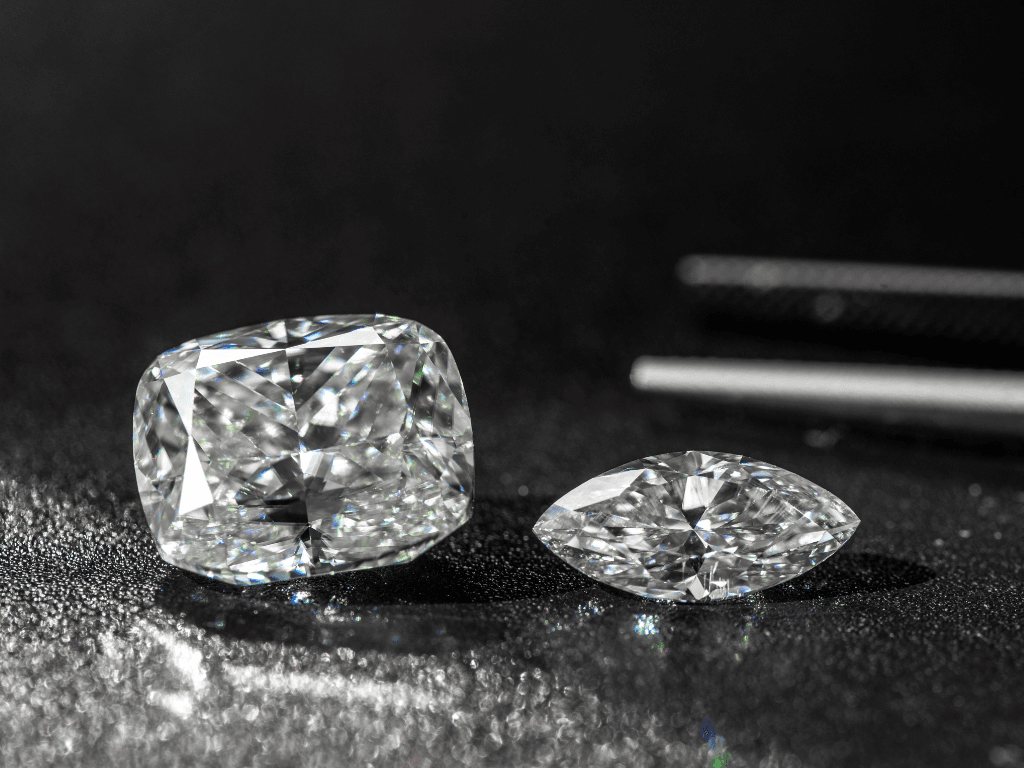
Diamonds have captivated humanity for centuries, symbolizing wealth, beauty, and enduring value. Traditionally, these gemstones were mined from the Earth, formed under extreme heat and pressure over billions of years. However, recent advancements in diamond synthesis are reshaping the gemstone industry, creating new opportunities for designers, consumers, and investors alike. Lab-grown diamonds produced through highly controlled technological processes are no longer a novelty; they are becoming a major force in gemstone production.
The Science of Diamond Synthesis

Lab-grown diamonds are created using two primary methods: High Pressure High Temperature (HPHT) and Chemical Vapor Deposition (CVD).
• HPHT: This technique mimics the natural conditions under which diamonds form in the Earth. Carbon is subjected to extreme pressure and temperature, producing high-quality gemstones with properties identical to mined diamonds.
• CVD: In this method, carbon-containing gases are broken down in a plasma environment, allowing carbon atoms to deposit layer by layer onto a substrate, forming a diamond crystal. CVD offers precise control over purity, color, and size, making it particularly attractive for producing specialized gems.
These technological advancements have enabled the production of diamonds that are chemically, physically, and optically identical to their natural counterparts. As a result, lab-grown diamonds can be certified and graded using the same standards as mined stones, enhancing their credibility in the luxury market.
Industry Impact and Market Adoption

Lab-grown diamonds were initially a niche product, often marketed as affordable alternatives to natural stones. However, recent years have seen rapid market adoption. According to industry reports, global lab-grown diamond sales are growing at double-digit rates annually, driven by consumer demand for sustainable, ethically sourced gemstones.
Retailers and luxury brands have taken notice. Companies such as De Beers (with Lightbox Jewelry), Signet Jewelers, and Pandora now offer lab-grown options alongside traditional mined diamonds. This adoption reflects a broader shift in consumer values: buyers increasingly prioritize sustainability, transparency, and affordability without sacrificing quality or beauty.
Technological Advancements Driving Innovation
Technology is not only improving the quality and availability of lab-grown diamonds but also expanding the possibilities for gemstone design. With precise control over size, clarity, and color, designers can create intricate, large, or uniquely colored stones that would be difficult or prohibitively expensive to obtain naturally.
Moreover, automated growth systems, advanced crystallography, and AI-assisted quality control are increasing production efficiency while reducing costs. These innovations allow manufacturers to meet growing consumer demand while maintaining high standards of craftsmanship.
Sustainability and Ethical Considerations

One of the most compelling advantages of lab-grown diamonds is their reduced environmental footprint. Traditional diamond mining often involves extensive land disruption, high energy consumption, and environmental degradation. In contrast, lab-grown diamonds can be produced with renewable energy, minimal land use, and limited carbon emissions.
Ethical considerations also play a significant role. Lab-grown diamonds eliminate concerns related to conflict or “blood” diamonds, ensuring that every gemstone is traceable and responsibly sourced. For environmentally and socially conscious consumers, this combination of sustainability and ethics is a powerful motivator.
Looking Ahead: The Future of Gemstone Production

Advancements in diamond synthesis are likely to continue reshaping the gemstone market. As production technology evolves, costs are expected to decrease further, making high-quality diamonds more accessible. Additionally, emerging innovations in diamond-based electronics, quantum computing, and industrial applications could further increase demand for synthetic diamonds beyond jewelry.
For jewelers, investors, and consumers, the future of gemstone production will be defined by a blend of tradition and technology. While natural diamonds will always retain appeal due to their rarity and historical significance, lab-grown diamonds offer unprecedented opportunities in design, affordability, and ethical sourcing.
Technological progress in diamond synthesis has transformed what was once a niche segment into a mainstream force within the jewelry industry. By combining scientific precision with ethical and sustainable practices, lab-grown diamonds are redefining both the production and perception of gemstones. As technology continues to advance, the boundary between natural and synthetic diamonds will blur, ushering in a new era where innovation and beauty coexist seamlessly.