Jewelry consumption is deeply influenced by cultural values, traditions, and social practices, which vary significantly across Asia, the Middle East, and Western markets. Understanding these cultural nuances is essential for luxury brands aiming to tailor designs, marketing strategies, and product offerings for global audiences.
Asia: Symbolism and Tradition
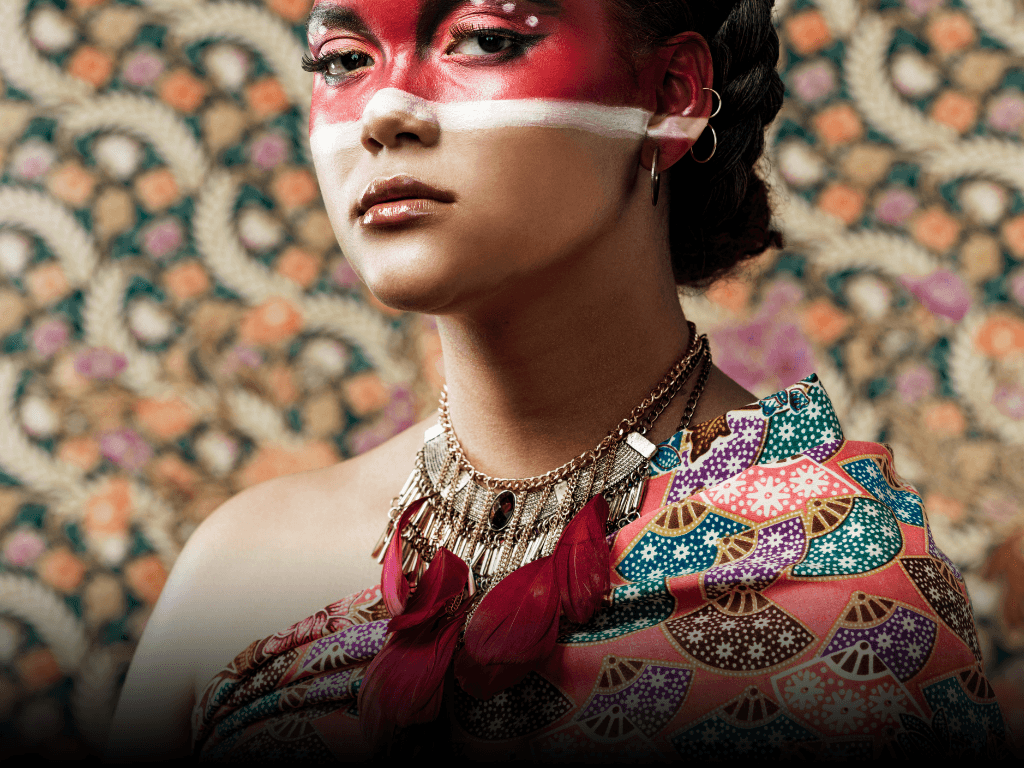
In Asia, jewelry is often intertwined with cultural rituals, social status, and family traditions. Gold and precious gemstones hold both financial and symbolic value. For example, in India, gold jewelry plays a central role in weddings and festivals, serving as both a gift and a form of wealth preservation. Similarly, in China, red-and-gold themed jewelry is associated with prosperity and good fortune. Consumers in Asia are highly attentive to craftsmanship, heritage, and the cultural significance embedded in jewelry designs.
Middle East: Luxury and Status
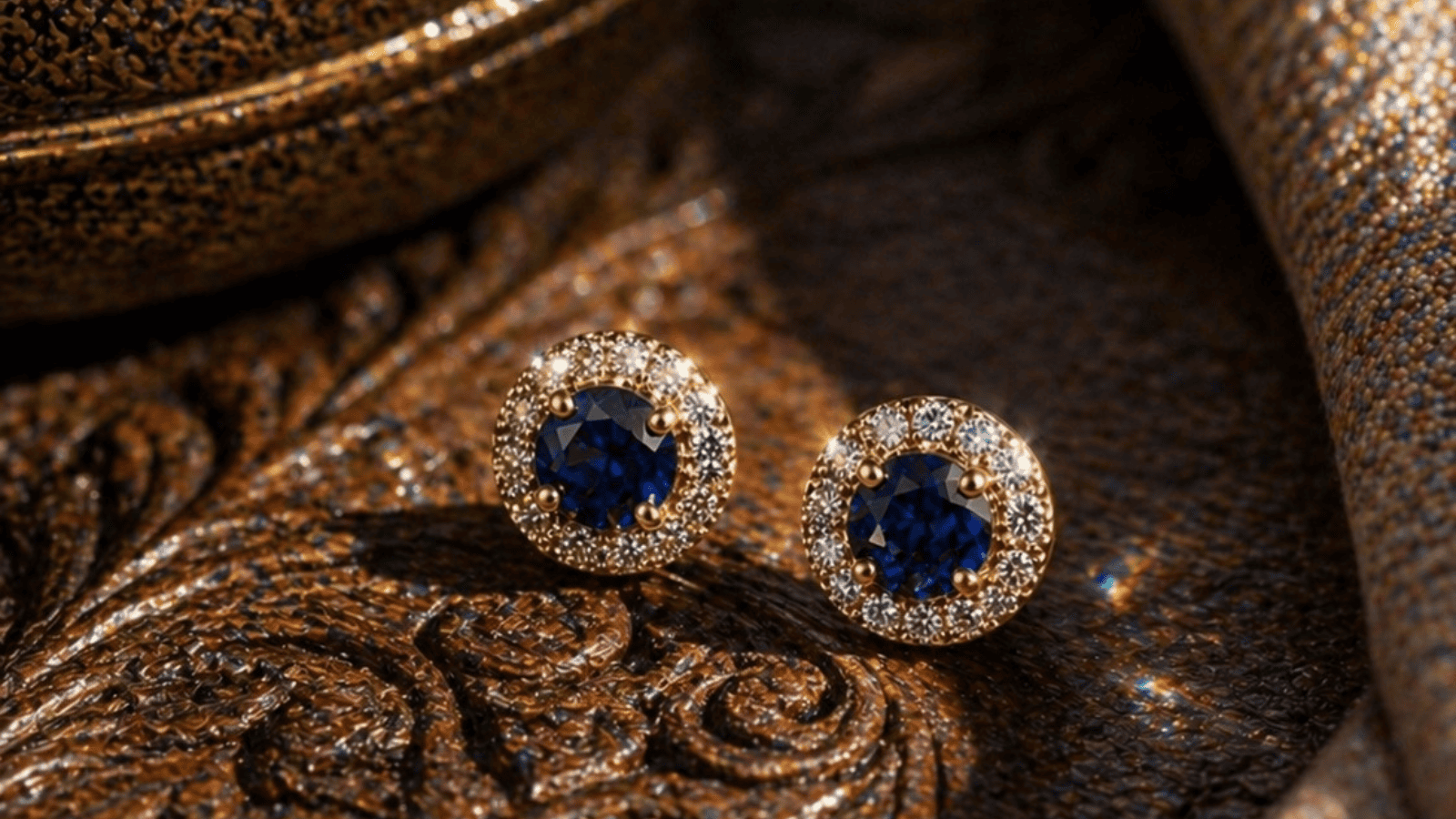
Middle Eastern markets are known for their preference for high-value, statement-making jewelry, often featuring gold and diamonds. Jewelry consumption is closely linked to status, prestige, and social identity. Cultural practices, such as gifting gold during weddings and celebrations, remain prevalent. Moreover, Middle Eastern consumers value intricate design and exclusivity, which drives demand for bespoke pieces and high-end luxury brands. Ethical sourcing and transparency are becoming increasingly important, particularly among younger buyers.
Western Markets: Individuality and Trends
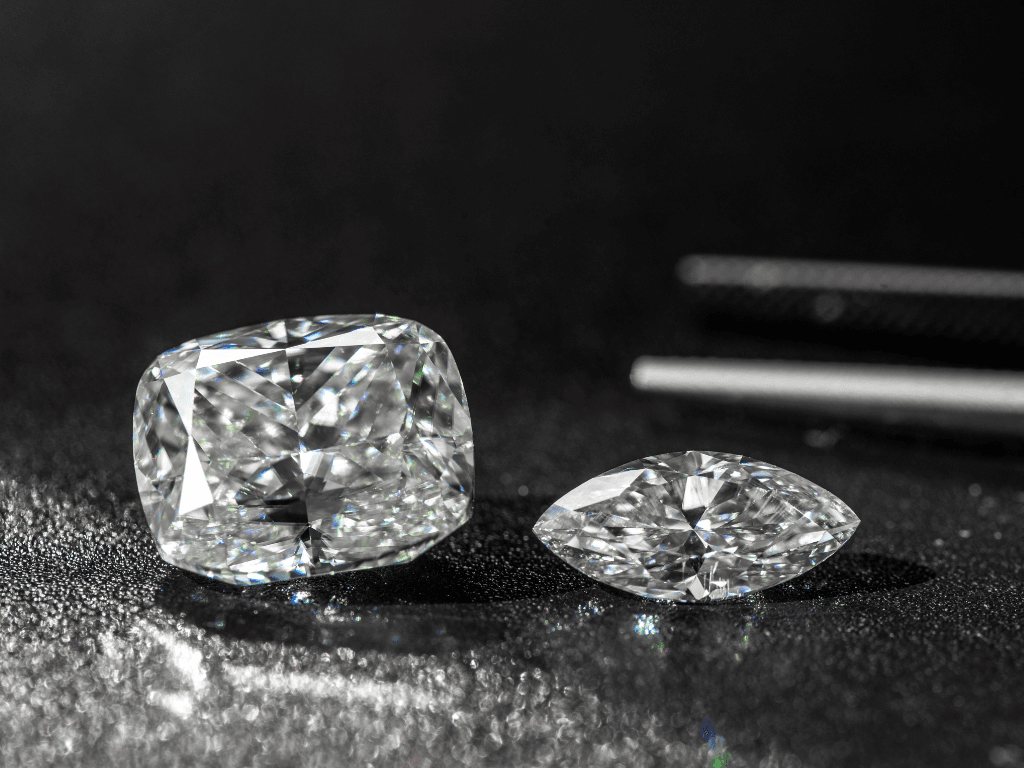
In Western countries, jewelry consumption is influenced more by fashion trends, personal expression, and lifestyle choices than by cultural rituals. Consumers prioritize design innovation, customization, and brand identity. While gold, silver, and diamonds remain popular, emerging trends include lab-grown gemstones, ethically sourced materials, and minimalist or modular designs. Younger generations, such as Millennials and Gen Z, often seek jewelry that reflects individuality and aligns with their ethical and environmental values.
Cross-Cultural Trends
Despite regional differences, some global trends are emerging. Digital platforms, e-commerce, and social media have created shared exposure to international designs and trends. Luxury consumers worldwide increasingly seek personalized, high-quality pieces that tell a story or hold symbolic meaning. Sustainable sourcing, lab-grown gemstones, and ethical practices are becoming universal considerations in purchasing decisions.
Implications for Luxury Brands

For global jewelry brands, recognizing cultural influences is critical for market strategy. In Asia, emphasizing heritage, craftsmanship, and auspicious symbolism resonates with consumers. In the Middle East, exclusivity, intricate design, and status-driven messaging are key. In Western markets, customization, trend alignment, and ethical transparency appeal to younger, conscious buyers. Brands that adapt designs, messaging, and retail strategies to these cultural nuances are more likely to succeed across diverse markets.
Conclusion
Cultural factors significantly shape jewelry consumption patterns across Asia, the Middle East, and Western markets. By understanding regional preferences, traditions, and emerging trends, luxury brands can create meaningful connections with consumers, drive engagement, and position themselves strategically in the global jewelry market.