Thailand, long regarded as a global hub for colored gemstones, is experiencing a marked surge in ruby exports, with China and Hong Kong emerging as its largest markets. Industry data and trade officials suggest that the growth is not just a rebound from the COVID-19 pandemic but a reflection of structural shifts in global luxury consumption, regional supply chains, and the growing appeal of colored gemstones as investment assets.
A Century-Old Trade Finds New Momentum
Thailand’s relationship with rubies is steeped in history. The eastern province of Chanthaburi was once one of the world’s richest sources of the gemstone. While domestic mines have largely depleted, the expertise of Thai cutters, polishers and traders has ensured that the country remains at the heart of the global ruby supply chain.
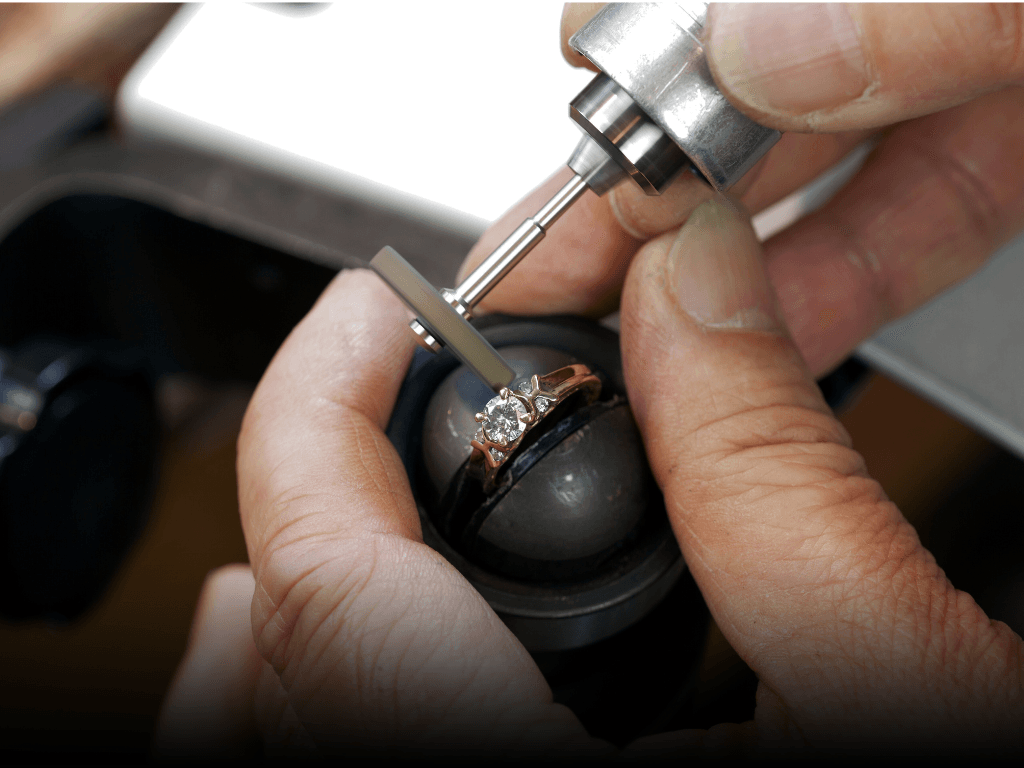
“Even though Thailand no longer produces rubies in significant quantities, it has become the premier hub for cutting and trading these stones,” said Dr. Pornsawat Wathanakul, director of the Gem and Jewelry Institute of Thailand (GIT). “The knowledge and skill built over decades allow us to transform rough stones from Africa and Myanmar into gems that meet the highest international standards.”
This role has positioned Thailand as a crucial intermediary between mining nations and major consumer markets, particularly in East Asia.
Export Growth: A Post-Pandemic Resurgence

According to the Thai Ministry of Commerce, exports of colored gemstones and jewelry rose sharply in 2023, reaching an estimated US$1.2 billion. Rubies accounted for nearly 45–50% of this figure, representing one of the fastest-growing segments in the country’s gem trade.
The rebound follows years of subdued activity. During the height of the pandemic in 2020, global jewelry demand fell by nearly 23%, according to data from the World Jewellery Confederation (CIBJO). Travel restrictions crippled in-person gem trading, particularly in Bangkok and Chanthaburi, where weekend markets are crucial for connecting local traders with international buyers.
But as borders reopened, demand surged. In 2023, Thailand’s shipments of gemstones to Hong Kong rose by more than 18% year-on-year, while exports to mainland China grew by approximately 20%, according to trade figures cited by the Bangkok Post and Thailand’s Department of International Trade Promotion (DITP).
Industry leaders say this rebound has helped offset weaker demand from traditional Western markets, where inflation and slowing consumer spending have constrained luxury purchases.
China and Hong Kong: Epicentres of Demand
The resurgence is tied closely to consumer behavior in China and Hong Kong, where rubies are deeply intertwined with cultural symbolism. In Chinese tradition, red is considered a color of prosperity, joy, and good fortune, making rubies particularly popular for weddings, anniversaries, and major life events.
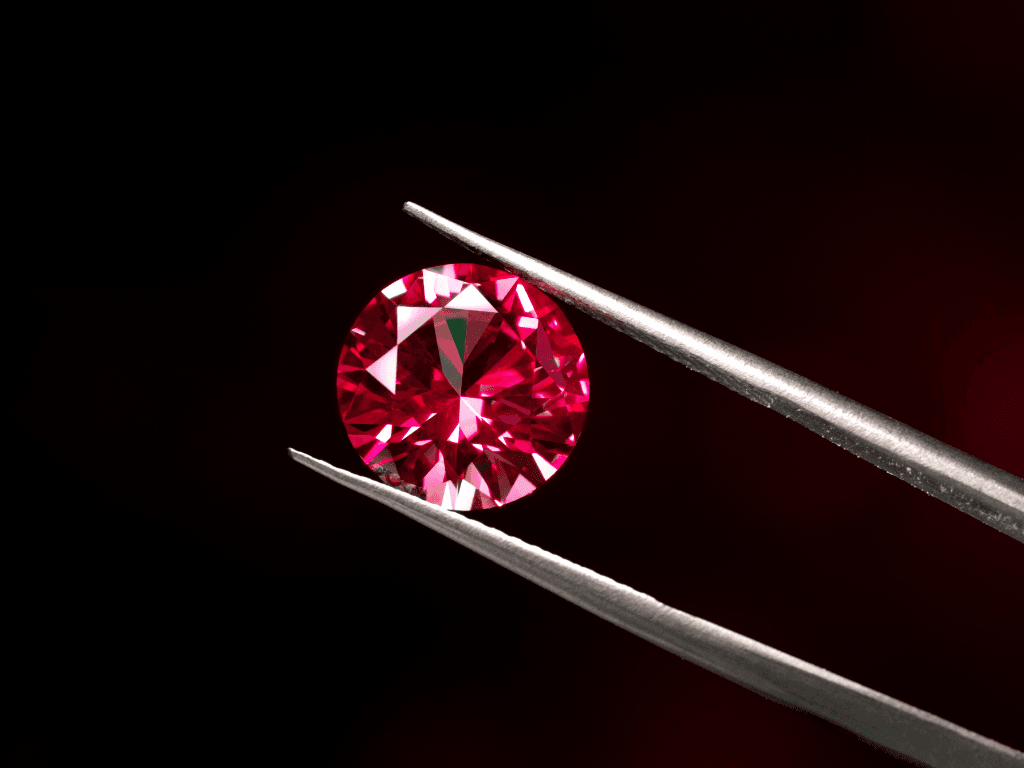
In Hong Kong, the gemstone market is intertwined with high-end jewelry houses and international auction houses such as Sotheby’s and Christie’s, which frequently feature “pigeon’s blood” rubies prized for their vivid, saturated red color. In May 2015, the 25.59-carat “Sunrise Ruby,” cut in Thailand from Burmese rough, fetched a record US$30.3 million in Geneva, cementing the ruby’s position as one of the most valuable colored gemstones in the world.
According to data from the Gem & Jewellery Export Promotion Council (GJEPC) and Hong Kong trade statistics, wealthy Chinese collectors increasingly view high-quality rubies as a store of value, especially amid economic volatility and property market uncertainty in mainland China.
“For many Chinese consumers, the ruby is more than jewelry. It represents wealth preservation, status, and good fortune,” said Li Xue, a Hong Kong-based gem dealer. “That cultural factor makes demand relatively resilient, even when other luxury sectors are slowing.”
The Myanmar Factor

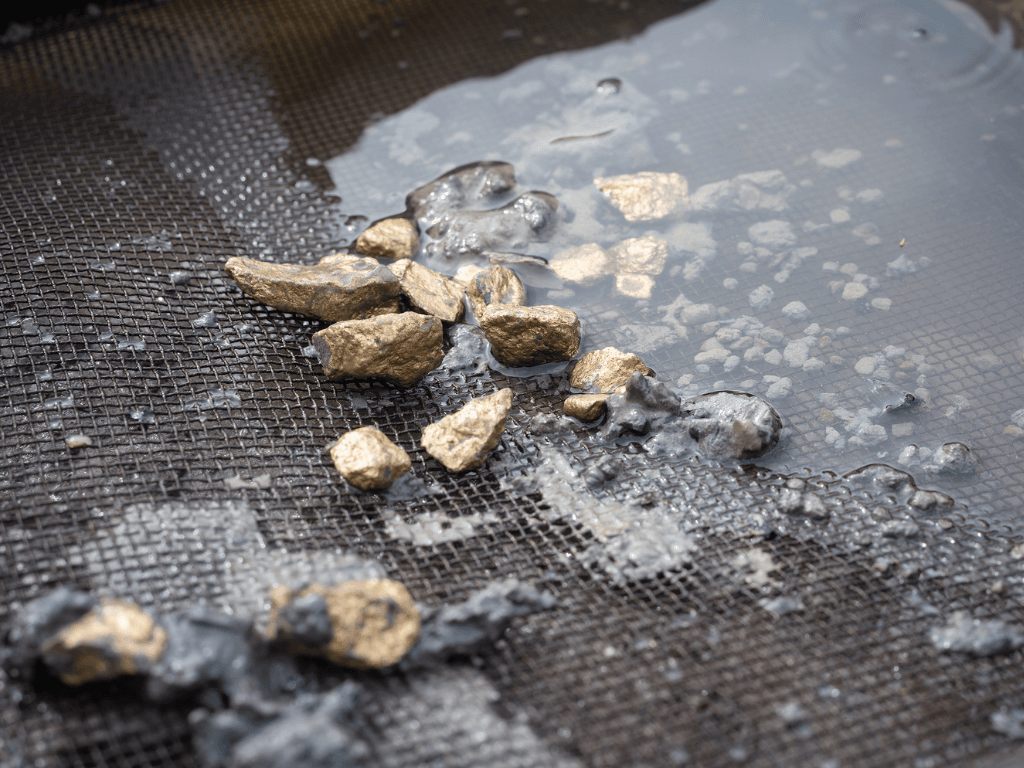
Despite Thailand’s expertise in gem cutting and trading, the majority of high-value rubies originate in Myanmar (Burma). The country’s Mogok Stone Tract, often called the “Valley of Rubies,” has supplied some of the world’s most celebrated stones.
But Myanmar’s political turmoil, particularly following the February 2021 military coup, has complicated matters. The United States and European Union have imposed sanctions on entities linked to Myanmar’s military, including Myanmar Gems Enterprise, which oversees much of the gem trade.
This has created both risks and opportunities for Thailand. On the one hand, restrictions on direct imports of Myanmar rubies into Western markets could reduce demand in the United States and Europe. On the other, Thailand’s role as a processing and trading hub allows it to act as an intermediary, sourcing rough rubies from Myanmar and re-exporting them to buyers in Asia.
NGOs such as Global Witness have warned that this arrangement may allow gems linked to Myanmar’s military to enter global supply chains under Thai certification, potentially undermining international sanctions. They have called for more stringent traceability mechanisms, including blockchain-based systems to track stones from mine to market.
Mozambique: The New Frontier
As Myanmar’s political crisis deepened, Mozambique emerged as a major supplier of rubies. Since significant deposits were discovered in the Montepuez region in 2009, the country has become a dominant force in the global ruby market.
The Gemfields Group, a London-listed mining company, operates one of the largest ruby mines in Mozambique, which produces high-quality stones that are increasingly accepted by international buyers. Thailand has quickly become the primary processing hub for these African rubies, importing rough stones and using its specialized heat-treatment and cutting expertise to prepare them for the global market.
Industry analysts estimate that Mozambique now accounts for more than 40% of global ruby supply, much of which passes through Thai hands before reaching jewelry manufacturers and retail outlets in China, Hong Kong, and beyond.
Economic Significance at Home
Thailand’s gem and jewelry sector is the country’s third-largest export earner, after automobiles and electronics. According to the Thai Gems and Jewelry Traders Association, the industry contributes over US$15 billion annually to the economy and provides employment for around 700,000 people, including cutters, polishers, designers, and traders.
The recent surge in ruby exports has been particularly valuable as Thailand faces sluggish growth in other areas. Tourism, long the country’s economic mainstay, was devastated by pandemic restrictions and is recovering only gradually. Meanwhile, exports of manufactured goods have been hit by global supply chain disruptions and slowing demand in the United States and Europe.
The government has responded with policies aimed at strengthening the gem and jewelry sector. These include tax incentives for importers of rough stones, support for international trade fairs, and investment in training programs for gemologists and craftsmen.
A Shift Toward Branding and Value Addition
For decades, Thailand’s role in the gemstone trade has been that of a processor and middleman. While this has created jobs, it has also limited the country’s share of the value chain. Recognizing this, the government and private sector have begun investing in branding initiatives that promote “Thai rubies” as a mark of quality, much like Swiss watches or Belgian diamonds.
The Bangkok Gems & Jewelry Fair has become a platform not only for trading stones but also for showcasing Thai jewelry design. Local brands are emerging with a focus on craftsmanship, sustainability, and storytelling — qualities that resonate with younger, affluent consumers in Asia.
“We can’t compete with mass-produced jewelry from China or India,” said Narumol Chantarasomboon, a Bangkok-based jewelry designer. “But we can offer something different: handmade pieces with a story, crafted with stones that have been ethically sourced and expertly cut.”
Headwinds: Ethical and Environmental Concerns

The renewed vigor of Thailand’s ruby trade is not without controversy. Reports by rights groups have documented links between Myanmar’s ruby mines and the country’s military, which has been accused of human rights abuses since seizing power in 2021.
At the same time, ruby mining in Mozambique has been associated with environmental degradation and social tensions, including disputes over land rights and reports of forced evictions.
Global consumers, particularly in Europe and North America, are increasingly demanding transparency about the origins of the gemstones they purchase. Certification schemes such as those offered by the Gem and Jewelry Institute of Thailand aim to provide assurance, but critics say more needs to be done to ensure that rubies sold through Thai markets are free from conflict associations.
“The risk is that if Thailand is perceived as a laundering hub for conflict rubies, its entire gemstone industry could face reputational damage,” warned Clare Hammond, a senior campaigner with Global Witness.
The Future: Opportunities and Uncertainties
Thailand’s ruby sector is at a crossroads. On the one hand, the surging demand from China and Hong Kong presents enormous opportunities. Rising middle-class affluence in Asia, coupled with the cultural symbolism of rubies, suggests that demand will remain strong for the foreseeable future.
On the other hand, the industry faces structural challenges. Greater scrutiny of supply chains, the rise of synthetic gemstones, and geopolitical risks in Myanmar could all affect Thailand’s role as a hub. Analysts say that investment in traceability systems, sustainable sourcing, and brand development will be crucial to securing the sector’s future.
“Thailand has shown remarkable resilience by reinventing itself from a mining country to a cutting and trading hub,” said Dr. Ken Scarratt, a veteran gemologist and former managing director of the GIA in Bangkok. “But the next reinvention may have to be about transparency and sustainability because that’s what the market increasingly demands.”
Conclusion
Thailand’s ruby exports are glittering once more, buoyed by demand from China and Hong Kong, where rubies carry deep cultural and financial significance. The country’s expertise in cutting and treatment, honed over generations, ensures its central role in the global gemstone trade.
Yet this resurgence comes at a delicate time. With Myanmar’s mines under scrutiny, and with synthetic gems and ethical sourcing concerns rising, Thailand’s industry must navigate a complex international environment. For now, the sparkle of rubies continues to brighten the country’s export figures but sustaining that glow will require careful balancing of tradition, innovation, and accountability.