Thailand’s luxury market has surpassed $5 billion in 2025, with jewelry emerging as the sector’s most powerful growth engine. Driven by rising domestic demand, cultural influence, and sustained interest from international buyers, jewelry now accounts for the largest share of luxury spending in the country. The shift underscores Thailand’s growing position as a regional hub where heritage craftsmanship meets global consumer trends.
Jewelry Dominates Luxury Spending
Recent market reports indicate that jewelry now represents approximately 40% of Thailand’s luxury market, outpacing fashion, watches, and cosmetics. Analysts attribute this surge to a combination of factors, including rising disposable income, growing financial awareness, and an increasing preference for tangible assets that hold both aesthetic and investment value.
“Jewelry in Thailand is more than decoration it’s a cultural statement and a long-term investment,” said a market strategist with one of Thailand’s leading luxury consultancies. “Consumers are drawn to pieces that not only showcase craftsmanship but also reflect heritage and identity.”
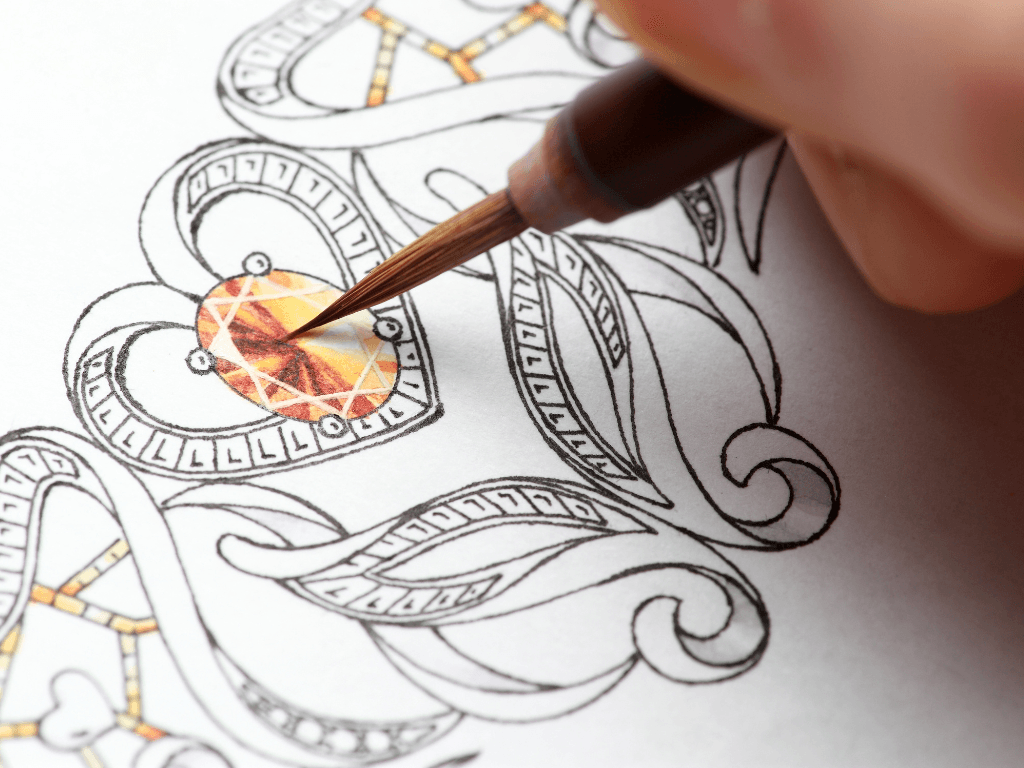
High-end gemstones, such as rubies, sapphires, and emeralds, remain in strong demand, particularly in pieces that combine traditional Thai symbolism with contemporary design. From lotus-inspired patterns to elephant and serpent motifs, these designs resonate with buyers who seek both elegance and cultural significance.
Heritage Meets Modern Design

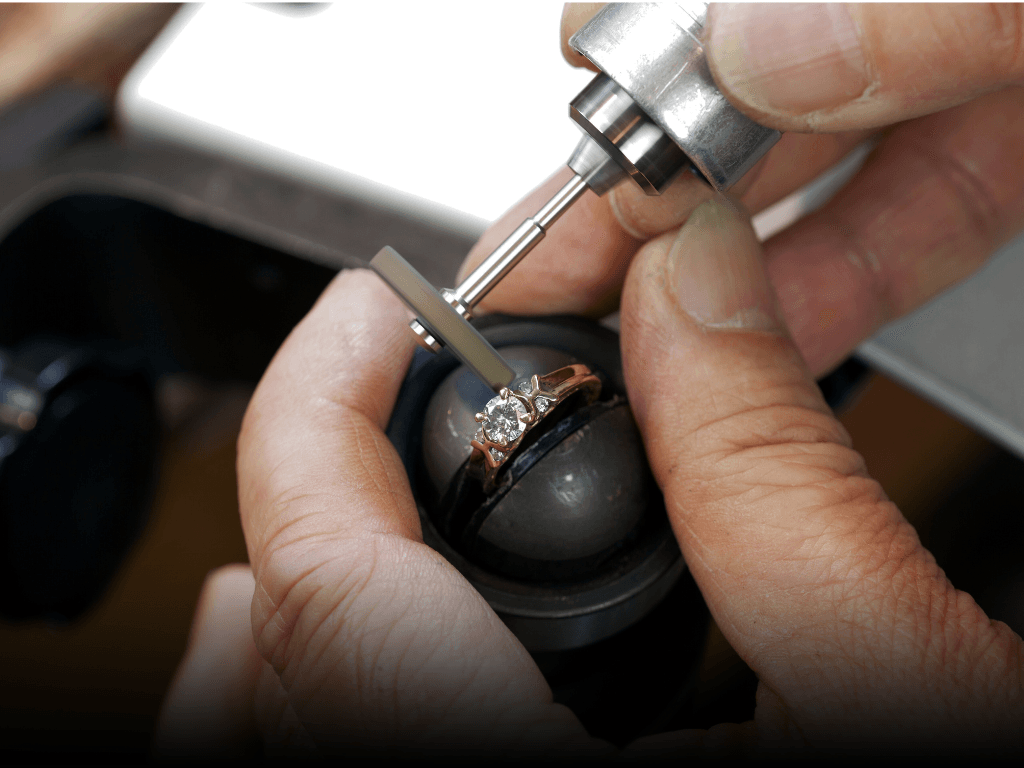
Thailand has a centuries-long reputation for producing some of the world’s finest gemstones. The country’s skilled artisans have long been celebrated for their ability to transform raw stones into exquisite jewelry pieces. In recent years, however, there has been a marked shift towards modern, innovative designs that maintain cultural authenticity while appealing to global tastes.
Brands are increasingly incorporating symbolic Thai elements into their high-end collections. Green snake motifs, often representing prosperity and renewal, are appearing alongside lotus flowers, a symbol of purity and enlightenment, and elephants, which stand for strength and wisdom. These motifs are not merely decorative—they convey stories and traditions that resonate deeply with both domestic and international buyers.
This fusion of heritage and contemporary aesthetics has not only elevated local designers on the global stage but has also strengthened Thailand’s luxury market as a whole. Luxury buyers today are seeking more than brand names; they are looking for meaningful pieces that reflect personal values, cultural pride, and timeless appeal.
Jewelry as a Safe Haven Asset
Economic uncertainty has also played a role in the jewelry boom. Gold and precious stones are increasingly viewed as safe-haven assets, offering both aesthetic pleasure and financial security. Unlike fashion or electronics, high-quality gemstones tend to retain value over time, making them a preferred choice for investors and affluent consumers alike.
According to market analysts, the perception of jewelry as an investment is particularly strong in Thailand. The country’s wealthy and middle-class consumers are adopting a buy-to-invest mentality, treating jewelry purchases as both personal adornment and a store of value that can withstand market volatility.
This trend has been further fueled by innovations in the sector, including the rise of lab-grown diamonds and high-quality synthetic gemstones. These options allow consumers to acquire luxury pieces that are both environmentally conscious and cost-effective, broadening access to the high-end market while maintaining prestige.
Domestic Demand and Rising Affluence

Thailand’s expanding middle and upper classes have contributed significantly to luxury growth. Rising incomes, urbanization, and exposure to global fashion trends have created a robust domestic market for luxury goods. Jewelry, in particular, appeals across age groups, from young professionals seeking statement pieces to established consumers investing in heritage-quality items.
Retailers have responded with bespoke services, personalized designs, and exclusive collections that cater to the nuanced tastes of Thai buyers. These offerings not only enhance customer experience but also reinforce the perception of luxury as a marker of social status and personal identity.
Furthermore, Thailand’s thriving e-commerce sector has made high-end jewelry more accessible than ever. Online platforms now provide immersive shopping experiences, including virtual try-ons, high-resolution product imagery, and detailed provenance information, enabling consumers to make confident purchases without visiting physical stores.
International Interest and Tourism Boost
Thailand’s luxury market is not solely driven by domestic buyers. The country has emerged as a global shopping destination for affluent tourists, particularly from China, the Middle East, and Europe. Bangkok, in particular, has become a magnet for luxury consumers seeking high-quality gemstones, designer jewelry, and culturally inspired pieces.
Duty-free policies, tax incentives, and world-class retail experiences have further enhanced Thailand’s appeal. International buyers are drawn to both the craftsmanship and the cultural authenticity embedded in Thai luxury jewelry—a combination that is difficult to replicate elsewhere.
Tourism also provides an indirect boost to other sectors. High-end jewelry purchases often coincide with luxury hotel stays, fine dining, and premium experiences, creating a multiplier effect on Thailand’s broader economy. Analysts suggest that as long as tourism remains strong, the luxury sector will continue to flourish.
Emerging Trends Shaping the Market
Several key trends are shaping the future of Thailand’s luxury jewelry market:
Sustainable and Ethical Luxury: Consumers increasingly value transparency, ethical sourcing, and environmental responsibility. Lab-grown diamonds, responsibly mined gemstones, and eco-conscious packaging are becoming standard expectations.
Customization and Personalization: Bespoke designs and customizable jewelry are gaining popularity, allowing consumers to express individuality while maintaining luxury appeal.
Digital Engagement: Luxury brands are leveraging online platforms, social media, and augmented reality to engage buyers, particularly younger, tech-savvy consumers.
Cultural Storytelling: Jewelry that tells a story through motifs, heritage-inspired designs, or limited editions resonates strongly with both domestic and international buyers.
Outlook for Thailand’s Luxury Sector
Market experts predict that Thailand’s luxury market will continue its upward trajectory, driven by innovation, cultural integration, and global demand. Jewelry is expected to remain the sector’s leader, but fashion, watches, and cosmetics are also poised for growth as domestic affluence rises and international interest strengthens.
The key challenge for brands will be balancing global competitiveness with authentic cultural expression. Companies that succeed in this balance will likely capture the largest share of Thailand’s luxury growth, solidifying the country’s position as a regional hub for high-end goods.
“Thailand’s luxury jewelry market is entering a golden era,” said one industry analyst. “The combination of skilled craftsmanship, cultural richness, and sophisticated consumer demand creates a landscape where growth is both sustainable and meaningful.”
Conclusion
Thailand’s luxury market hitting $5 billion marks a pivotal moment for the country’s economy and global brand positioning. Jewelry’s dominance underscores a broader trend: consumers today seek products that combine aesthetic beauty, investment value, and cultural significance.
As domestic demand continues to grow and international buyers explore the market, Thailand is poised to become not just a regional leader, but a global player in luxury jewelry, offering a unique blend of heritage, innovation, and sophistication.