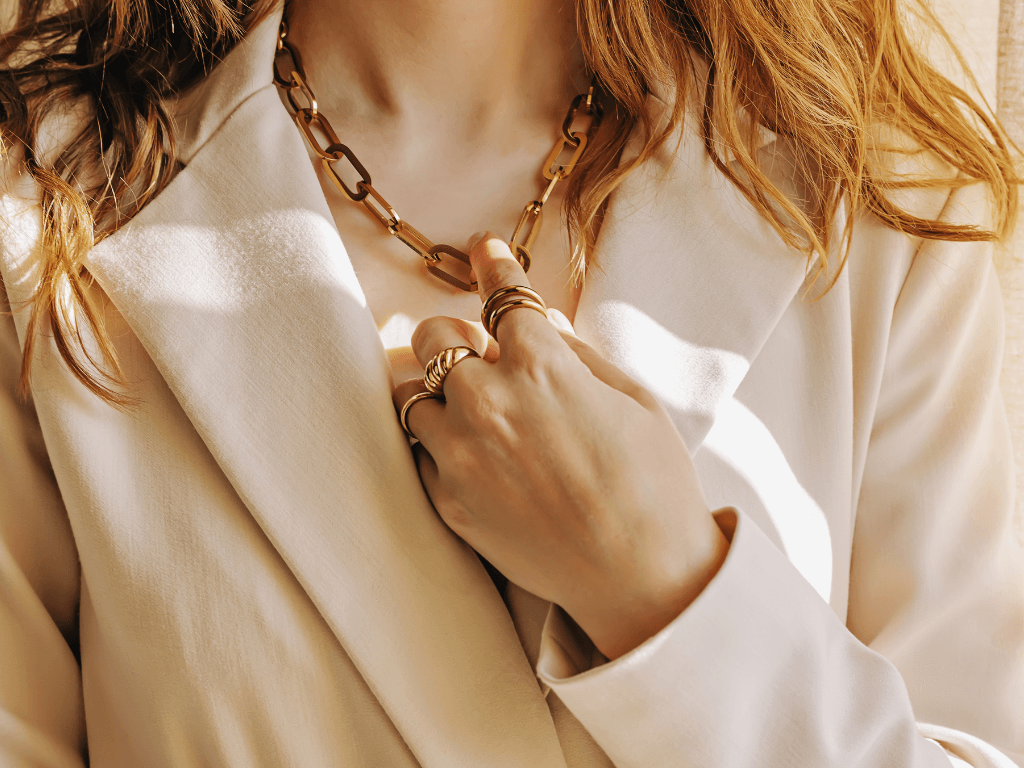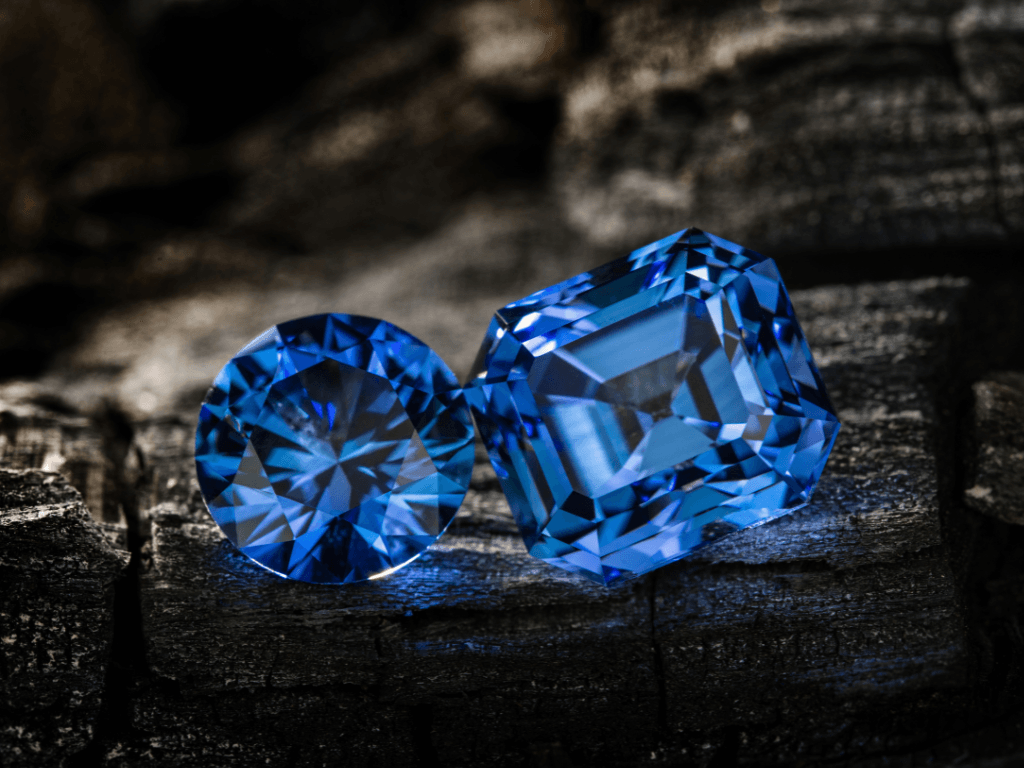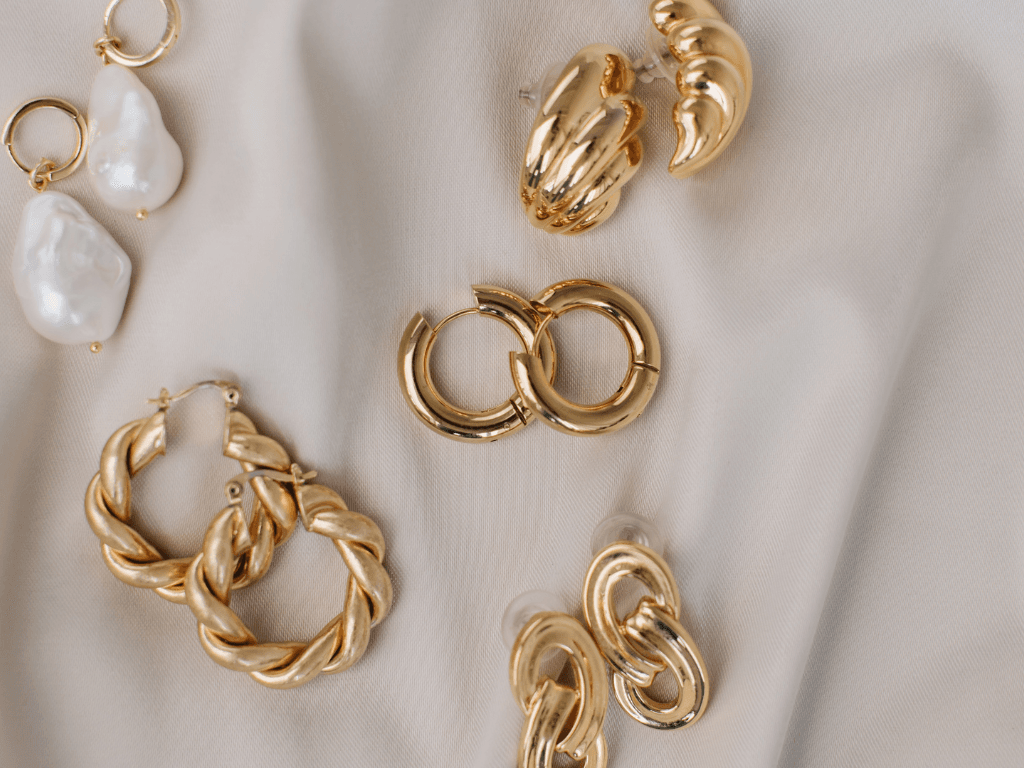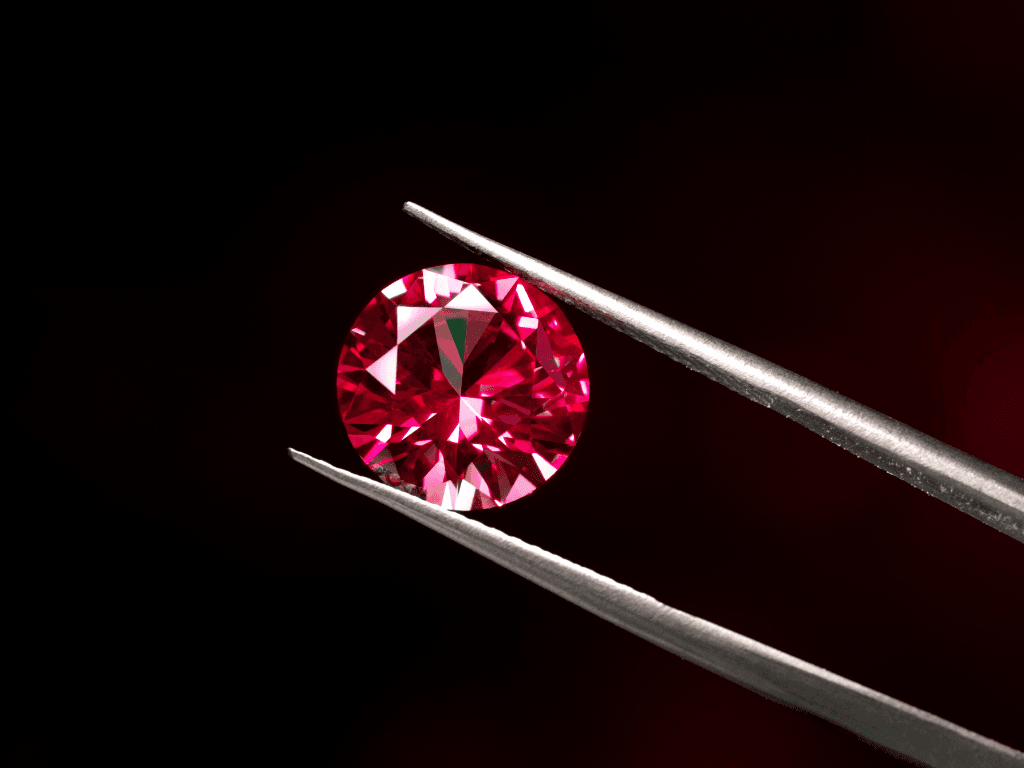
Throughout history, royal courts across the globe have embraced jewelry not only as a symbol of wealth and status but also as a medium for bizarre and fascinating traditions. From head-to-toe adornments to peculiar symbolic designs, ancient royalty often used jewelry to convey messages of power, mysticism, or fashion eccentricity.
India: Nose Rings and Royal Marriages
In ancient Indian courts, nose rings were more than decorative they symbolized marital status, social rank, and wealth. Some royal families had enormous nose rings encrusted with pearls and diamonds, sometimes weighing several kilograms. These pieces were often reserved for queens and princesses during ceremonial events, showcasing both opulence and the wearer’s societal importance.
Europe: Poison Rings and Secret Symbols

European nobility frequently embraced jewelry with hidden or secretive functions. Poison rings, for example, contained small compartments used to carry perfumes, messages, or even poisons. These rings reflected a blend of luxury, strategy, and intrigue within royal courts. Similarly, intricately carved pendants often held symbolic messages decipherable only to insiders, merging artistry with secret communication.
China: Jade Belts and Protective Charms

In imperial China, jade belts and bracelets were not only fashion statements but also talismans believed to ward off evil spirits. Elaborate gold and jade headpieces were worn by empresses and concubines, signifying rank and spiritual protection. Some jewelry even incorporated miniature scrolls or charms with inscriptions of luck, prosperity, or health, blending superstition with luxury.
Middle East: Gemstone-Encrusted Daggers and Accessories
Middle Eastern royalty often adorned themselves with jewelry integrated into everyday objects, including ceremonial daggers and sashes. Gemstones were embedded into items like hilts, clasps, and belts, symbolizing both martial prowess and refined taste. Such practices highlighted the union of power, luxury, and aesthetics in courtly life.
Symbolism and Storytelling
Across cultures, jewelry served as a storytelling medium. Animal motifs, mythological figures, and symbolic patterns conveyed political alliances, religious devotion, and personal accomplishments. The more elaborate and unusual the design, the greater the wearer’s social prominence and influence within the court.
Cultural Legacy
While some of these traditions may seem bizarre to modern eyes, they offer insight into how jewelry has always been intertwined with status, identity, and cultural values. Many contemporary luxury designs draw inspiration from these historical practices, integrating storytelling, symbolism, and craftsmanship into wearable art.
Ancient royal courts were not only centers of power but also laboratories of bizarre and fascinating jewelry traditions. From secret compartments in rings to talismanic jade pieces, these practices reveal the creativity, superstition, and status-consciousness of historical elites. Studying these oddities provides a deeper appreciation for the artistry and cultural significance that continue to inspire modern luxury jewelry design.