What is "K" and Where Does It Come From?
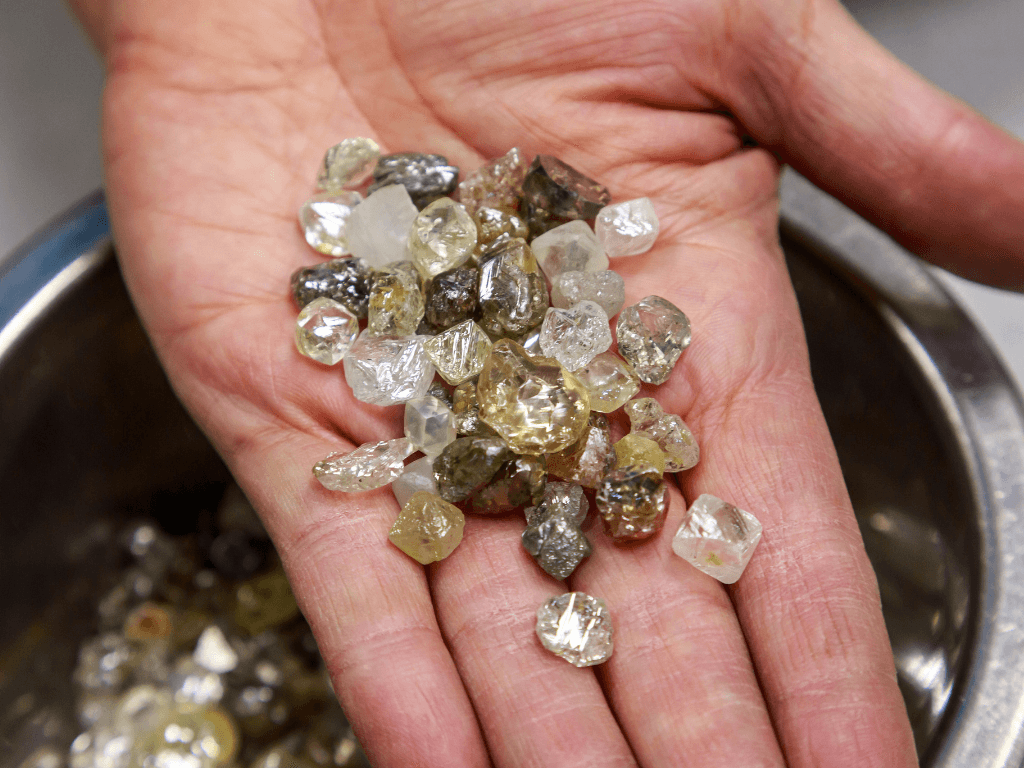
"K" or Karat is a unit used to indicate the purity of gold in jewelry or alloys. It shows the amount of pure gold mixed with other metals. The term originates from the ancient Greek word "keration," meaning carob seeds, which were historically used as a standard weight for precious materials like gold and diamonds. The term later spread across Europe and the Arab world, becoming a global standard.
Why Use This System?
This system helps people easily understand the gold content in an alloy, enabling both buyers and sellers to better estimate its value. In some countries, percentages are preferred for measuring gold purity instead, such as in China or Thailand, where terms like 99.99% gold are commonly used.
Gold Purity Categories
24K Gold (99.9% Pure)
The purest form of gold with a vibrant, rich golden hue.
Soft and malleable, making it prone to scratches.
Ideal for investment but less suitable for heavy-duty jewelry.
22K Gold (91.7% Pure)
Contains 22 parts gold and 2 parts other metals.
Still retains a rich golden color but is more durable than 24K gold.
Commonly used for wedding rings and necklaces in countries like India.
18K Gold (75% Pure)
A blend of 18 parts gold with 6 parts other metals.
Stronger and more durable, making it suitable for everyday wear.
Offers a good balance of purity, durability, and cost.
14K Gold (58.3% Pure)
Composed of 14 parts gold and 10 parts other metals.
Stronger than 18K gold but has a lighter gold tone.
Ideal for heavy-use jewelry like bangles or rings due to its durability and affordability.
9K Gold (37.5% Pure)
Contains 9 parts gold and 15 parts other metals.
Offers excellent strength and affordability.
Commonly used for jewelry that prioritizes durability over luxury.
Which Type is Most Popular?
Preferences vary by country. In Thailand, 23K gold with 95.8% purity is popular for its softness and high gold content. However, in Europe, 18K gold is preferred for its balance between purity and durability. For more affordable yet durable options, 14K gold is often chosen.
Why Does Gold Color Vary Despite the Same Purity?
The variation in gold color is due to the different metals mixed during production:
Yellow Gold:
Created by mixing pure gold with silver and copper.
Retains a traditional, bright gold appearance.
Rose Gold (or Red Gold):
A result of blending gold with a higher proportion of copper.
Offers a warm pink or red hue, popular in modern jewelry.
White Gold:
Achieved by mixing gold with metals like silver, palladium, or platinum.
Often coated with rhodium for a shiny, scratch-resistant finish.
Why Mix Metals with Gold?
Mixing metals enhances gold's properties, such as increasing its strength, scratch resistance, and adding color variety. This allows for a wide range of gold jewelry styles, from yellow and rose gold to white gold, catering to diverse preferences and usage needs.
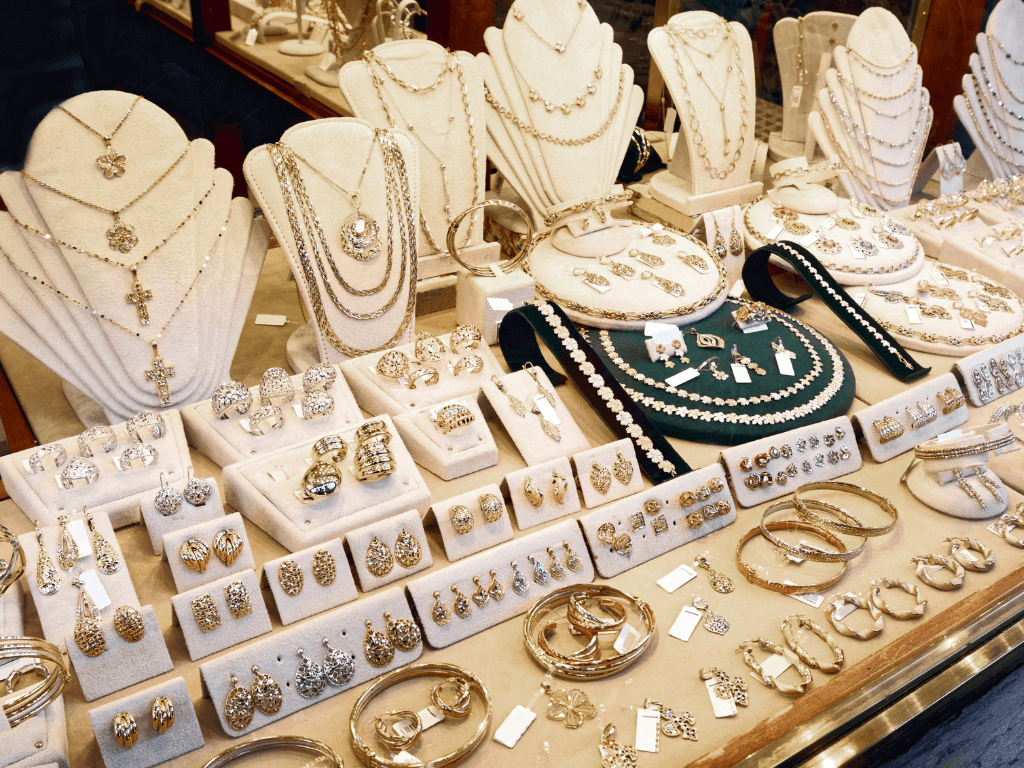
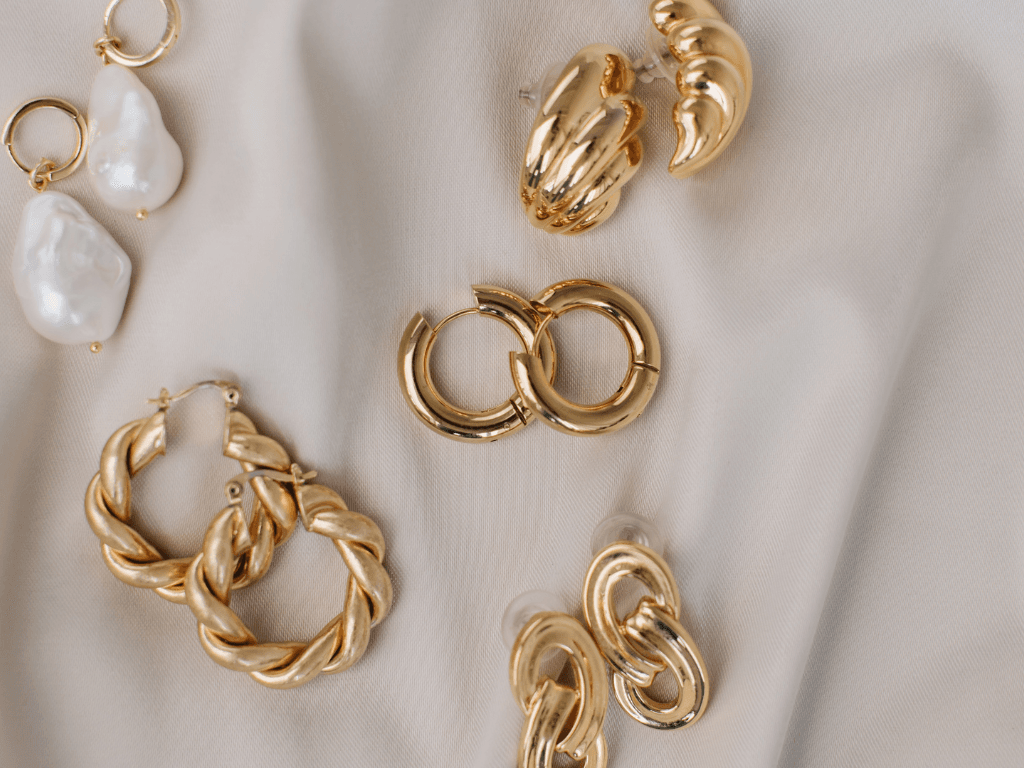
Selecting gold for jewelry depends on personal preferences and usage. While 24K gold is ideal for investment, 18K and 22K gold are more practical for daily wear due to their durability. Additionally, the variety of gold colors, such as rose gold and white gold, allows consumers to find styles that suit their tastes and lifestyle.