The global jewelry market is poised for dynamic growth through 2030, driven by evolving consumer preferences, technological innovations, and rising demand in both established and emerging markets. As gold, silver, and diamonds remain the cornerstone materials of luxury adornments, understanding market trends is essential for investors, designers, and retailers.
Gold: Timeless Value and Investment Appeal
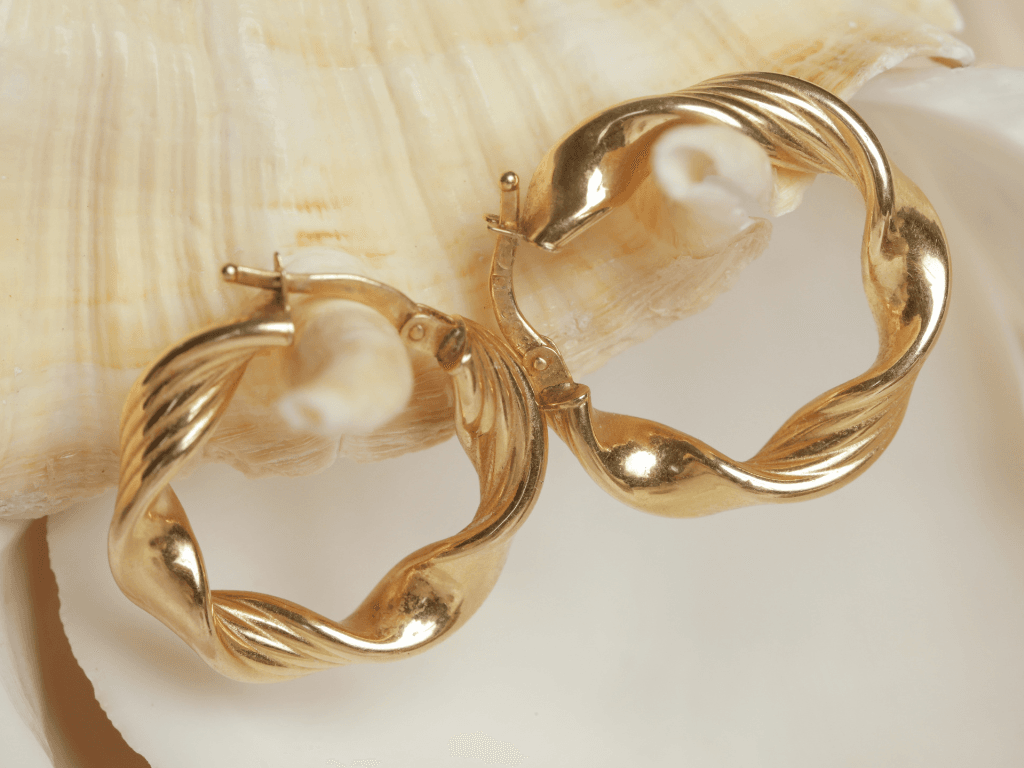
Gold continues to dominate the jewelry market, not only as a luxury statement but also as a safe-haven investment. Forecasts indicate a steady increase in demand for gold jewelry in Asia, particularly in India and China, where cultural traditions and weddings drive consumption. Meanwhile, Western markets increasingly value gold pieces for both design innovation and sustainable sourcing. With rising awareness of ethical mining and environmental impact, recycled gold is becoming a significant segment, appealing to eco-conscious consumers.
Silver: Affordable Luxury and Everyday Elegance
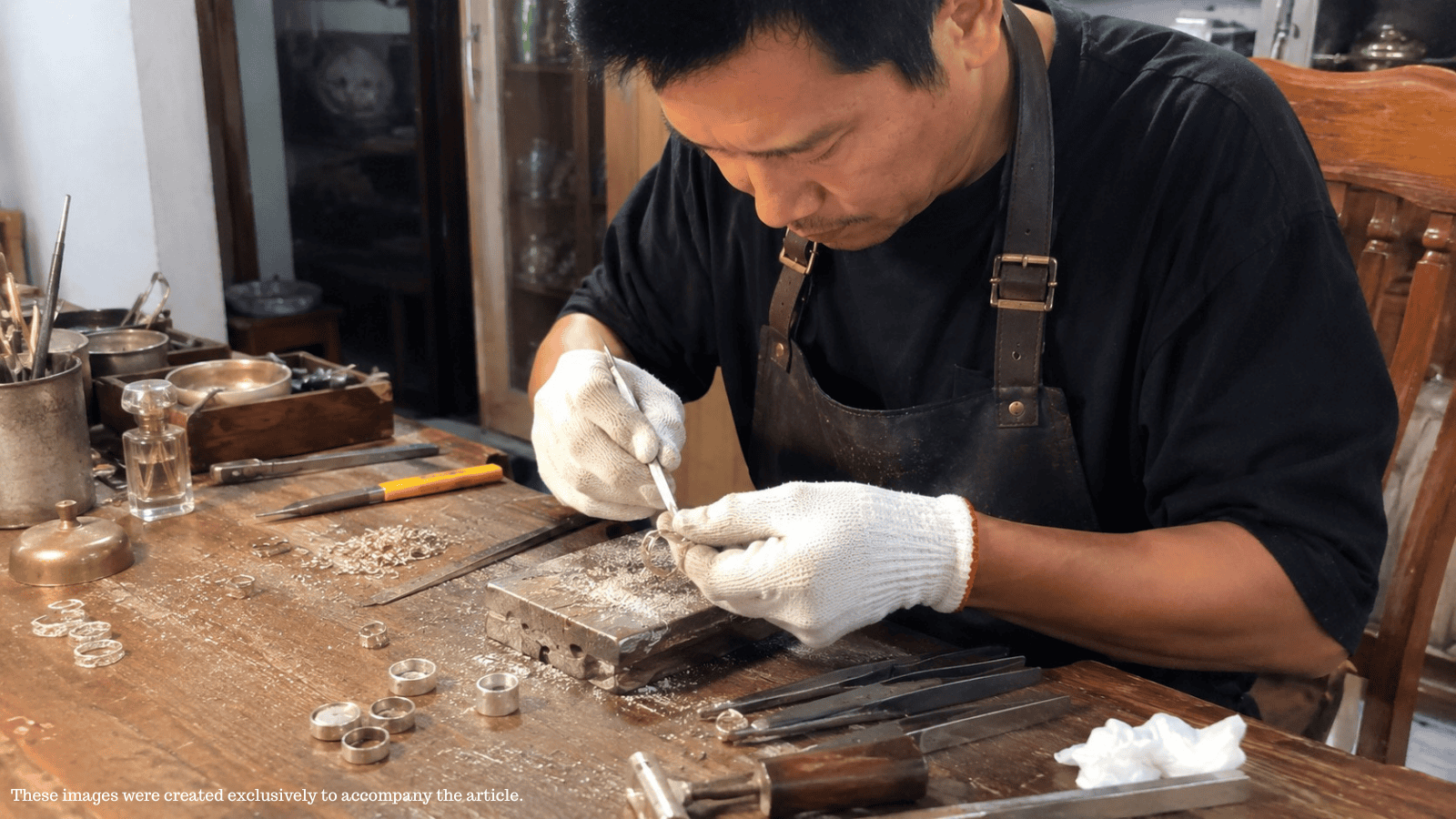
Silver jewelry maintains a strong presence as a more accessible luxury alternative. Its affordability allows broader demographic reach, while contemporary designs and mixed-material pieces are attracting younger buyers. E-commerce platforms and social media have significantly expanded silver jewelry visibility, enabling small and mid-sized brands to enter international markets. Forecasts suggest a compound annual growth rate (CAGR) of approximately 5% in silver jewelry sales, particularly fueled by demand for customizable and minimalist designs.
Diamonds: Natural vs. Lab-Grown Dynamics

The diamond segment is undergoing a transformative shift. While natural diamonds continue to hold prestige, lab-grown diamonds are gaining rapid acceptance due to affordability, ethical sourcing, and environmental considerations. Market analysts project that lab-grown diamonds could account for nearly 15–20% of global diamond jewelry sales by 2030. Consumers are increasingly well-informed, often comparing price-per-carat and sustainability factors. Jewelry brands integrating both types of diamonds, combined with transparency in sourcing, are likely to attract the modern luxury buyer.
Emerging Market Trends and Opportunities
The global jewelry market is expanding beyond traditional geographies. Southeast Asia, the Middle East, and Africa present significant growth opportunities, driven by rising disposable incomes, digital commerce, and social media influence. Additionally, personalization, customization, and tech-integrated jewelry are becoming mainstream, allowing brands to differentiate themselves and connect with younger, digitally savvy consumers.
Sustainability and Ethical Sourcing

Sustainability has become a defining factor in luxury jewelry. Consumers increasingly demand transparency in sourcing, with recycled metals, lab-grown gemstones, and conflict-free diamonds leading the way. Brands that prioritize ethical practices are likely to gain long-term loyalty and market share, especially in Europe and North America, where conscious consumerism is prevalent.
By 2030, the global jewelry market is expected to demonstrate a balanced growth pattern, with gold retaining its investment allure, silver appealing to a broad consumer base, and diamonds both natural and lab-grown shaping modern luxury narratives. Stakeholders who embrace innovation, ethical practices, and market adaptability will be best positioned to thrive in this evolving landscape.