Choosing jewelry can be easy for some, but for those with sensitive skin, the decision may be more complex than expected. This is because certain metals used in jewelry can cause irritation or allergic reactions. Choosing the right jewelry not only boosts your confidence but also helps prevent potential long-term skin problems. This article introduces different metals, how to select jewelry, and tips for skin care, so you can wear jewelry comfortably and look good for any occasion.
For those with sensitive skin, the choice between silver and gold jewelry depends on how your skin reacts to different metals.
How to Identify and Test What You’re Allergic to
Understanding what metal or material in jewelry (or other items) you might be allergic to requires observation and further checks. Here’s how you can do it:
Observe Symptoms After Wearing Jewelry: The easiest way is to try wearing different jewelry pieces and watch for any reactions on your skin. Symptoms can appear immediately after wearing the jewelry or may take several hours/days to develop.
Common symptoms for sensitive skin include:
1. Red rashes
2. Itching
3. Burning or peeling skin
4. Dark or discolored skin
5. Swelling or blisters
Test Different Jewelry Metals: Sometimes, you may be allergic to only specific metals or chemicals used in certain jewelry. Try switching between different materials and observe which metals trigger allergic reactions.
Examples of different jewelry materials:
- Gold (18K, 14K, or 24K)
- Sterling silver
- Stainless steel
- Rhodium
- Platinum or white gold
Patch Test (Allergy Testing)
This is the most accurate way to identify allergens. You can do it yourself at home or consult a doctor for a thorough test to identify the specific allergens.
Home Patch Test (Basic):
Materials Needed: Test metals or alloys, non-harsh chemicals, plaster or bandage, and cotton or a small cloth dampened with water.
Test Area: Choose an area with thin skin such as the inside of your arm or behind your ear.
Instructions:
1. Clean the test area with water or alcohol
2. Apply the test substance (or jewelry) to the skin and cover with a plaster
3. Leave for 24-48 hours (avoid water contact).
4. If you experience symptoms like itching or burning, remove immediately.
5. Observe any irritation or rashes. If any appear, it suggests an allergy.
Professional Patch Test (for Detailed Testing)
For a more thorough test, visit a dermatologist who will apply known allergens like nickel, copper, or cobalt and monitor the results over a few days.
Check Jewelry Ingredients: Inquire about the components of jewelry from the jeweler or check the labels.
- Gold Alloys: May contain copper, nickel, or zinc.
- Silver Alloys: Often contain copper.
- Nickel: A common allergen found in many jewelry pieces.
* Use Safe Metals: If unsure about which metal is safe for you, start with widely accepted safe options:
- Pure gold (24K)
- Platinum
- Titanium
- Rhodium-plated sterling silver
Consult a Doctor for Severe Reactions
If you experience severe allergic reactions or persistent itching, consult a doctor for appropriate treatment, which might include antihistamines or steroid creams.
Jewelry Choices for Sensitive Skin
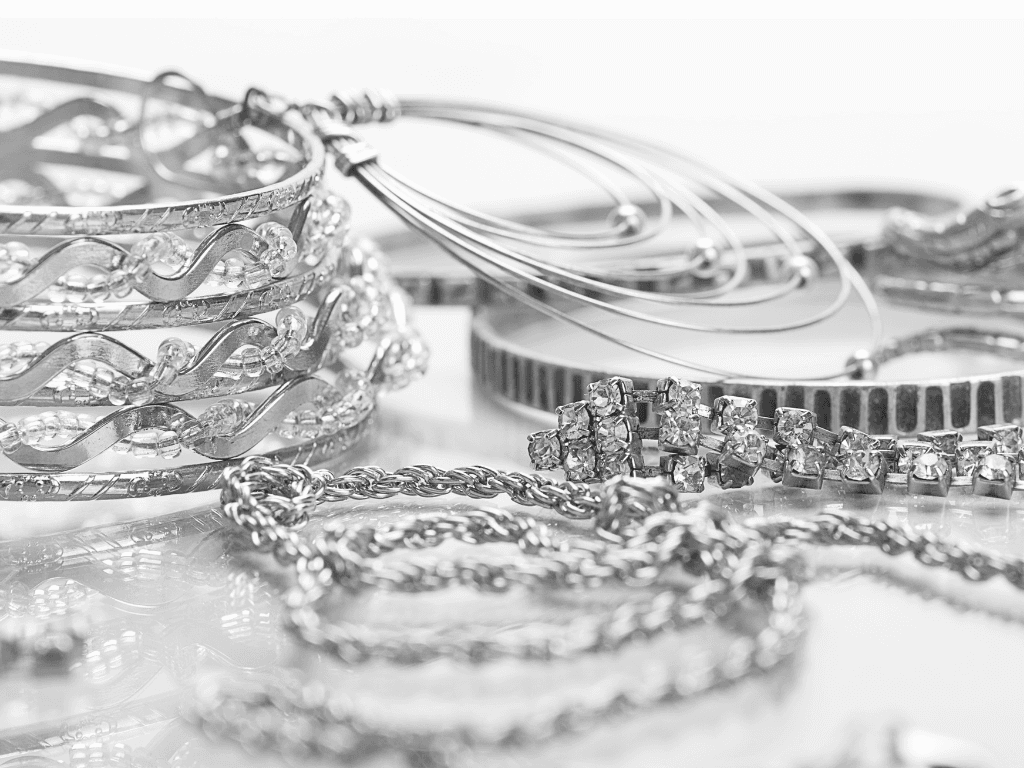
Sterling Silver: Sterling silver is commonly alloyed with copper to enhance strength. However, if you are allergic to the metals in the alloy, such as copper, it may cause irritation. Opting for rhodium-plated sterling silver can help since rhodium has properties that prevent reactions. Rhodium also protects the jewelry from tarnishing and reduces the chances of irritation.
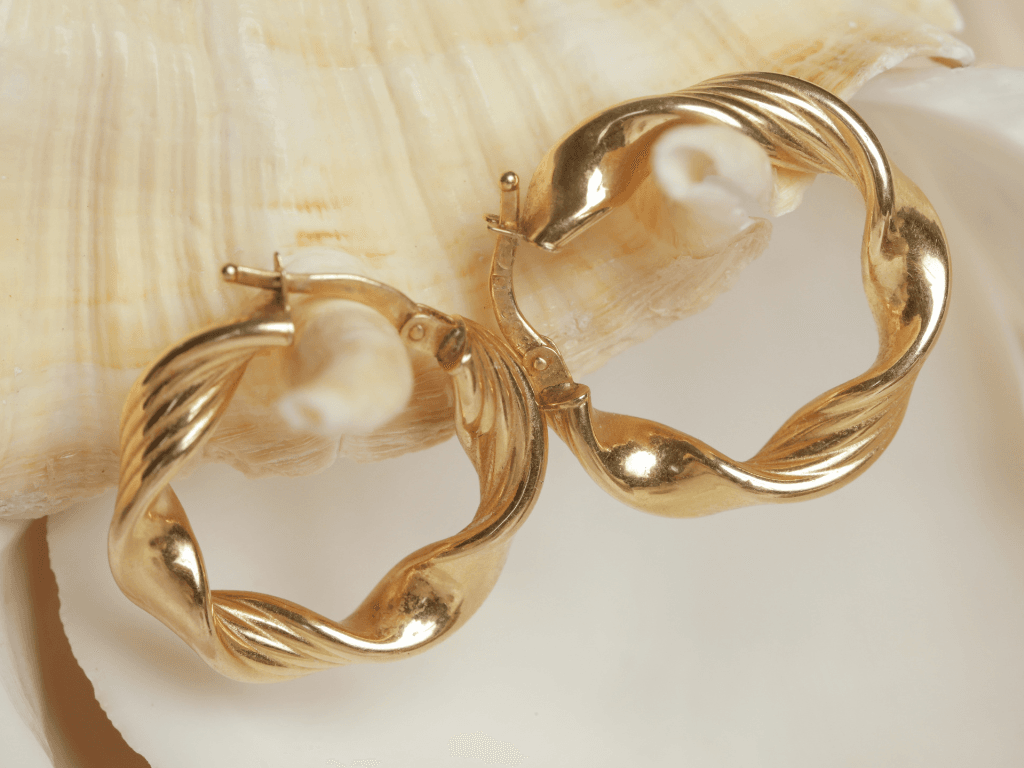
Gold Jewelry: For those with sensitive skin, pure gold (24K) is typically the safest option because it is a non-reactive metal. Unlike other gold alloys like 18K or 14K, which contain metals such as nickel or copper (potential allergens), pure gold is less likely to cause allergic reactions. However, 24K gold is softer and may not be suitable for certain types of jewelry that require durability.
Other Metals:
- Platinum: Non-reactive and highly hypoallergenic.
- Titanium: Known for being lightweight and hypoallergenic, making it a great option for sensitive skin.
In summary, while gold (especially 24K) and platinum are generally safe for those with sensitive skin, it’s important to ensure that jewelry is made from pure metals or properly coated to avoid reactions. If in doubt, consult a professional for a patch test.