The jewelry market is undergoing a significant transformation as Millennials and Gen Z consumers increasingly influence global demand. Unlike previous generations, these younger buyers prioritize not only aesthetics but also ethics, sustainability, and personalization, creating both challenges and opportunities for jewelry brands worldwide.
Sustainability as a Key Decision Factor
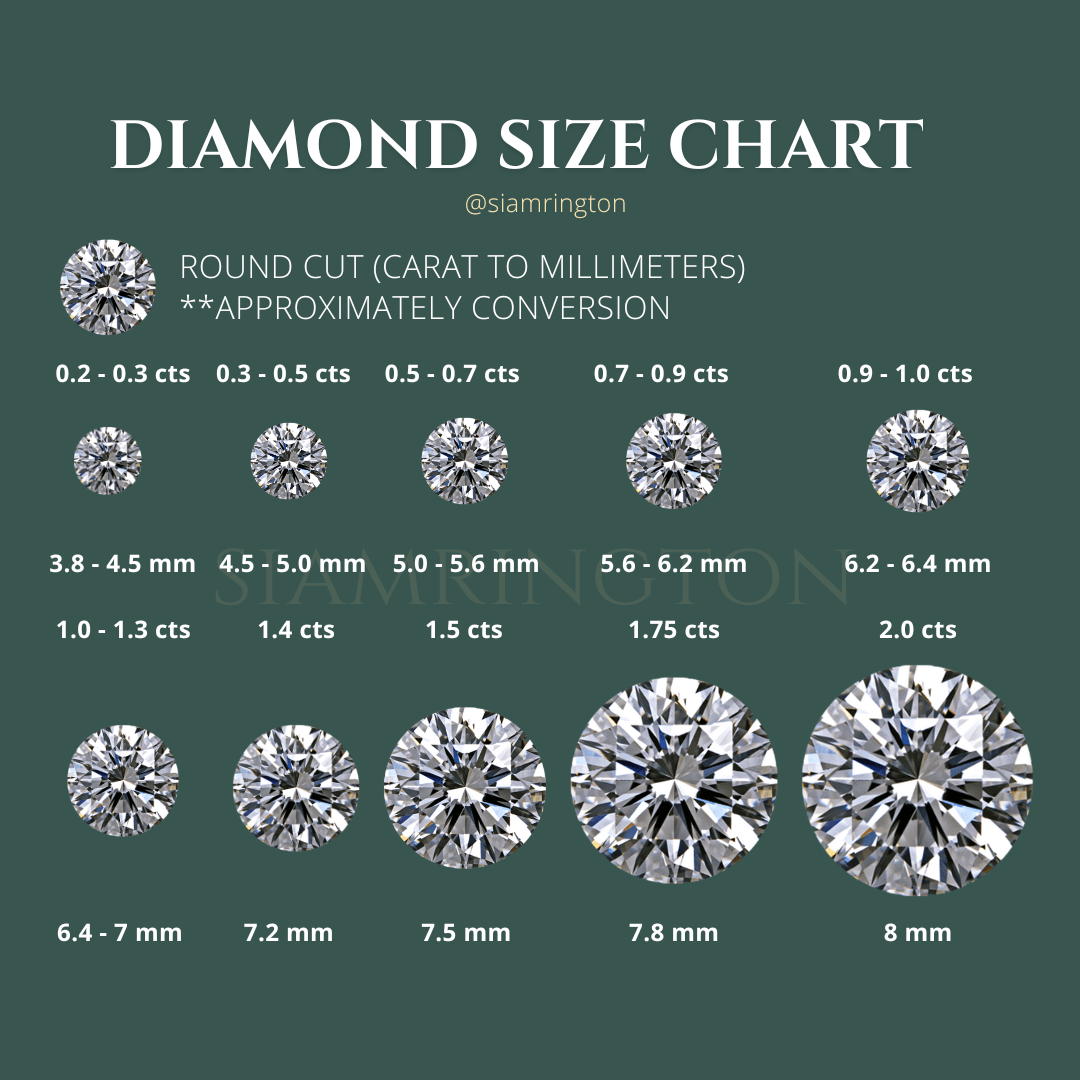
Millennials and Gen Z are highly conscious of environmental and social impact. Studies show that a large portion of these consumers actively seek jewelry made from recycled metals, lab-grown diamonds, and ethically sourced gemstones. Brands that transparently communicate their supply chain practices and sustainability initiatives are more likely to capture loyalty from these demographics. For example, lab-grown diamonds are gaining popularity as they offer both environmental advantages and affordability without compromising on quality or sparkle.
Personalization and Customization
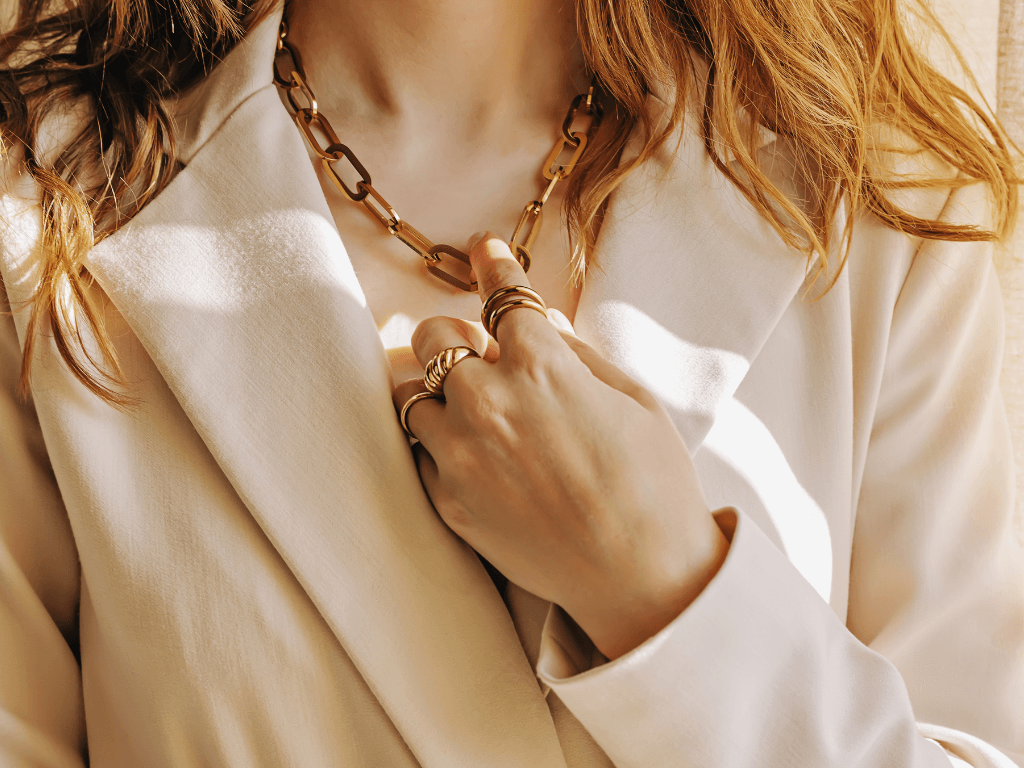
Another defining trend among younger buyers is the desire for personalized and customizable jewelry. From engraved pendants and stackable rings to modular bracelets and AI-assisted design platforms, Millennials and Gen Z value unique pieces that reflect individuality. Jewelry brands leveraging technology, such as virtual try-on apps or AI-driven design recommendations, are well-positioned to appeal to this demand for bespoke creations.
Digital Influence and E-Commerce

Digital presence is crucial for engaging younger consumers. Social media platforms like Instagram, TikTok, and Pinterest drive trends, influence preferences, and shape purchasing decisions. E-commerce and mobile shopping apps provide convenience and immediate access to global brands, enabling Gen Z and Millennials to explore diverse styles and price points. Interactive content, influencer collaborations, and virtual reality experiences further enhance the shopping journey and brand engagement.
Affordable Luxury and Experimentation
Millennials and Gen Z often favor “affordable luxury”—high-quality pieces that are attainable without breaking the bank. This has led to a rise in mid-tier luxury brands, lab-grown gemstone collections, and silver or mixed-metal jewelry that blends style with value. Additionally, these consumers are more open to experimenting with bold designs, unconventional gemstones, and culturally inspired motifs, challenging traditional jewelry conventions.
Cultural and Ethical Awareness
Young consumers are also drawn to jewelry with cultural or symbolic meaning. They appreciate designs that honor heritage, tell a story, or convey personal values. Ethical considerations, such as conflict-free sourcing, gender equality in production, and philanthropic initiatives, play a crucial role in shaping purchase decisions and brand perception.
Millennials and Gen Z are reshaping the jewelry landscape through their emphasis on sustainability, personalization, and digital engagement. Brands that embrace these shifts by offering ethically sourced materials, customizable designs, and a strong online presence are most likely to thrive in the evolving market. Understanding and adapting to these preferences is essential for jewelry businesses seeking long-term relevance and growth in a world driven by conscious, connected, and style-savvy younger consumers.