
India’s gem and jewelry sector, long dependent on exports, is recalibrating its strategy in response to a 50% U.S. tariff on small polished diamonds.
Facing disruptions in its most important overseas market, the industry is now turning inward, betting on domestic consumption to sustain growth.
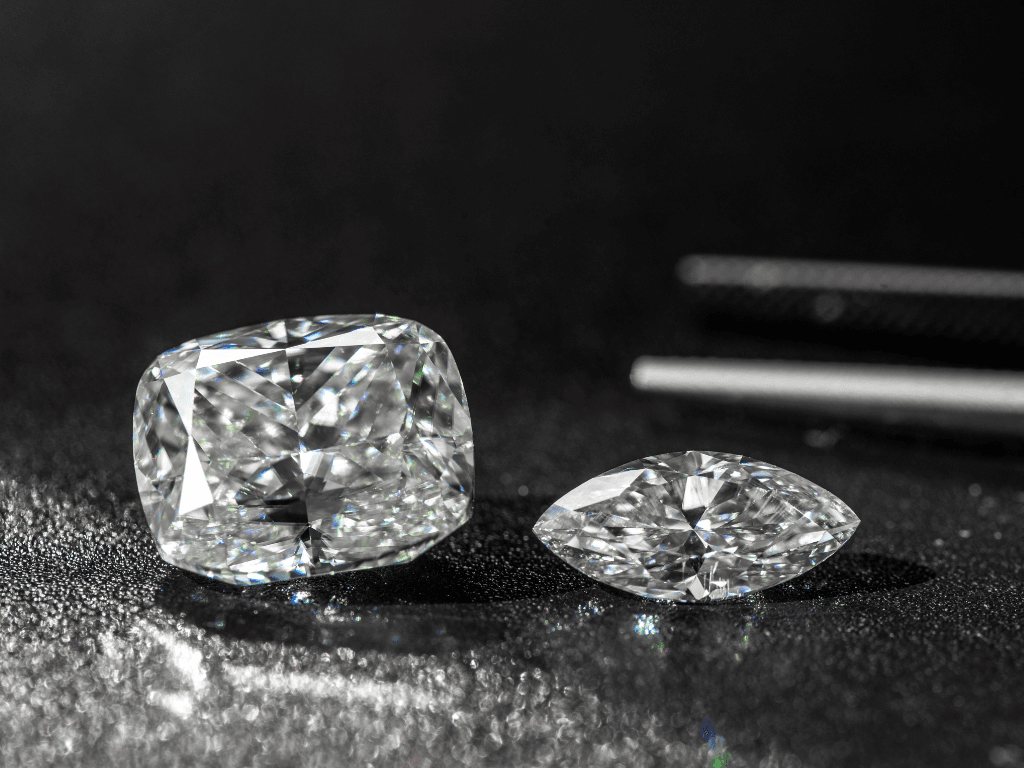
The United States remains the largest single destination for India’s polished diamond exports, accounting for more than one-third of outbound trade. The imposition of a 50% import tariff on small polished diamonds in mid-2025 has sent shockwaves through India’s export-driven ecosystem, forcing traders, cutters, and jewelry houses to reconsider their business models.
“India’s diamond sector has been built around exports, particularly to the U.S.,” said a Mumbai-based analyst.
“This sudden tariff is not just a tax increase it is a structural challenge that compels the industry to rethink its dependency on global markets.”
Industry players warn that smaller manufacturers and exporters, who operate on thin margins, could be the most vulnerable. Some firms have already begun shifting supply chains toward alternative destinations such as the Middle East and Southeast Asia. However, others are betting more heavily on **India’s own rising consumer base** to offset export losses.
Domestic Market Steps into the Spotlight

India’s domestic market has historically been overshadowed by its export-oriented industry. Yet, recent data indicates that **local demand now accounts for approximately \$8.5 billion — around 10% of global diamond consumption.**
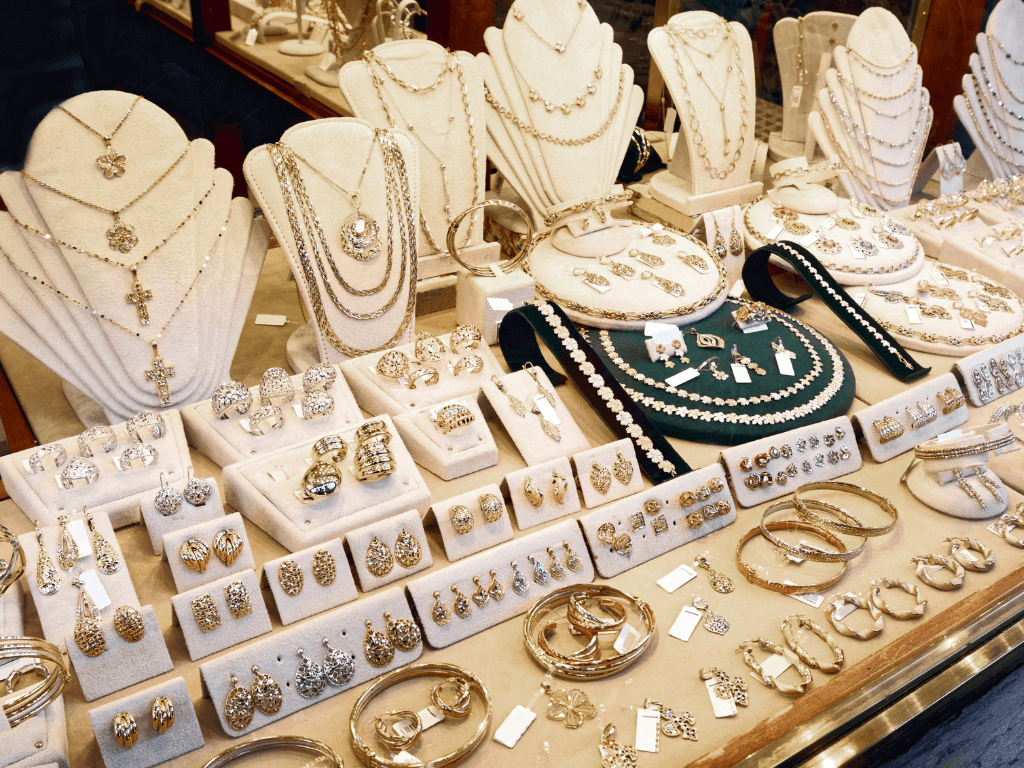
This represents a significant shift in dynamics. Middle- and upper-class households in India are increasingly turning to diamonds and gold jewelry not only as adornment but also as a form of investment. Rising disposable incomes, urbanization, and growing financial literacy are fueling this demand.
“Diamonds are no longer seen as purely aspirational,” noted an executive at the Gem & Jewellery Export Promotion Council (GJEPC). “They are increasingly viewed as a store of value and a reflection of status within India’s growing affluent class.”
Policy Support: Reforms and Incentives
Recognizing the need to strengthen domestic resilience, the Indian government has rolled out several policy measures designed to support the sector. Among the most notable are:
IGST Exemption under the Diamond Imprest Authorisation Scheme (DIAS): This measure reduces costs for manufacturers and encourages local procuremen
GST Reduction on Packaging: Cutting the Goods and Services Tax on jewelry packaging from 12% to 5% eases pressure on retailers, lowering costs for consumers and encouraging broader accessibility.
Financing Reforms: Expanded access to credit for small and medium jewelry businesses has been introduced, enabling them to withstand global market disruptions.
Together, these reforms aim to reduce friction within the domestic market, stimulate consumption, and position India as a more self-reliant hub for jewelry demand.
Consumer Sentiment and Cultural Drivers
Jewelry occupies a central place in Indian culture, with demand strongly tied to weddings, festivals, and religious traditions. The cultural significance of gold is well established, but diamonds have been steadily gaining ground, especially among younger, urban buyers.
Today’s consumers seek jewelry that balances heritage symbolism with contemporary design. Traditional motifs are being reimagined for modern tastes, while lab-grown diamonds often marketed as sustainable and affordable are gaining popularity among younger demographics.
According to retailers, consumer preferences are shifting in three key ways:
1. Weddings remain a cornerstone of demand, with diamonds increasingly incorporated into bridal jewelry alongside gold.
2. Younger buyers favor versatile designs, wearable across both traditional and modern settings.
3. Investment-driven purchases are rising, particularly in urban centers where diamonds are considered both luxury and security.
Global Positioning Amid Tariff Challenges
While the domestic market is expanding, India cannot fully abandon its role in the global supply chain. The country remains the world’s largest diamond cutting and polishing center, processing nearly 90% of the world’s rough diamonds**.
Industry leaders are lobbying for tariff negotiations with the U.S. while simultaneously exploring diversification. Emerging markets in the Middle East, Southeast Asia, and Africa are increasingly seen as alternative growth destinations. However, shifting trade flows will take time.
For the near term, strengthening the domestic market is viewed as the most viable hedge against external volatility.
Lab-Grown Diamonds and Sustainability

Another factor reshaping India’s jewelry sector is the rapid rise of **lab-grown diamonds (LGDs). India has already established itself as a global leader in the production of LGDs, which are chemically identical to natural diamonds but more affordable and environmentally sustainable.
Lab-grown diamonds are appealing to younger buyers, particularly millennials and Gen Z, who value ethical sourcing and transparency. For domestic consumers, LGDs offer the prestige of diamond ownership at a fraction of the cost, widening access to luxury.
The government has recognized the potential of this market, offering **tax incentives and R\&D support to encourage growth in the LGD sector. Analysts expect domestic LGD consumption to accelerate in the coming years, further insulating the industry from export-driven risks.
Competitive Landscape
India’s jewelry sector is highly fragmented, ranging from small family-owned workshops to large international retailers. Leading domestic brands are expanding aggressively across urban centers, while global luxury players are investing in flagship stores to capture rising demand.
Notable strategies include:
Bespoke offerings tailored to Indian cultural themes.
Digital platforms that allow virtual try-ons and online customization.
Omnichannel retail integrating physical stores with digital engagement.
Competition is intensifying as brands seek to capture a larger share of the domestic wallet, but the overall market expansion suggests ample opportunity for multiple players.
Outlook: Turning Challenge Into Opportunity

The U.S. tariff shock has undeniably disrupted India’s diamond trade. Yet, for many, it represents an inflection point rather than a crisis. By redirecting focus toward its domestic market, India is capitalizing on cultural traditions, rising affluence, and supportive government policies to secure future growth.
Market analysts predict that India’s share of global diamond demand could climb beyond 12% within the next five years if current trends hold. The combination of heritage jewelry traditions, modern consumer aspirations, and structural policy support suggests a sector that is well positioned to thrive even in the face of global headwinds.
“India’s diamond industry is at a crossroads,” said one senior policy advisor. “What once was purely an export story is now also a domestic growth story. This shift could define the industry’s resilience for decades to come.”
Conclusion
India’s gem and jewelry sector, long a pillar of global exports, is undergoing a strategic realignment. Confronted by tariffs in its most important overseas market, the industry is strengthening domestic foundations, banking on cultural continuity, consumer demand, and policy reforms.
If successful, India may not only weather the U.S. tariff storm but also emerge as a more balanced, resilient, and influential player in the global luxury jewelry market.