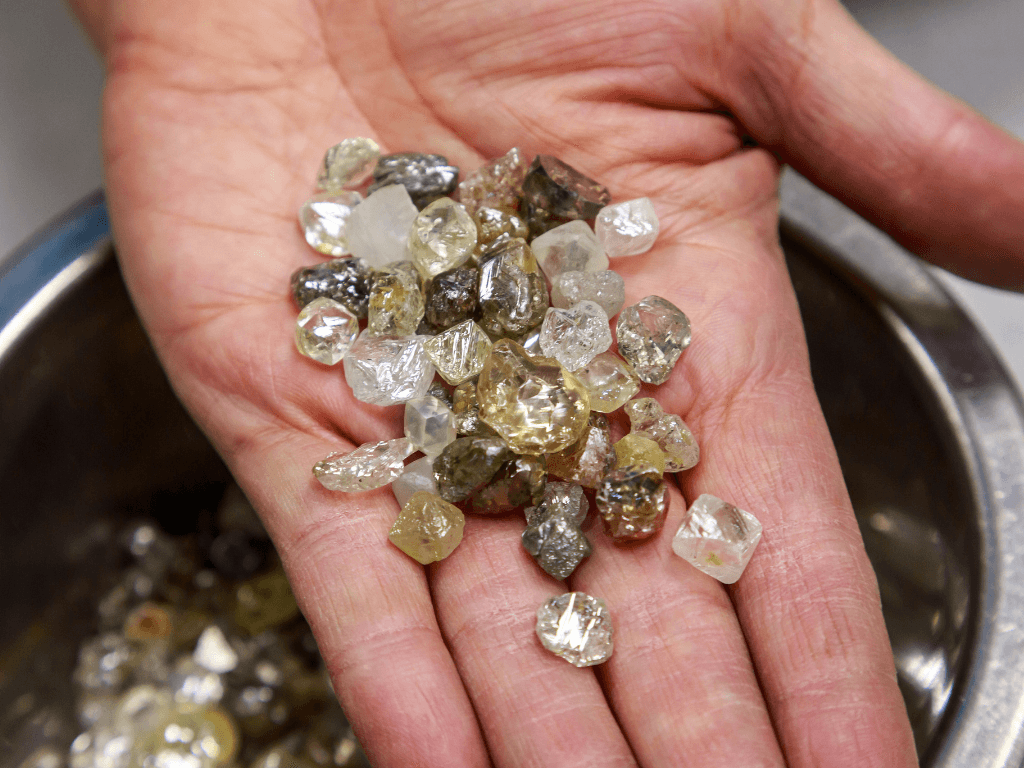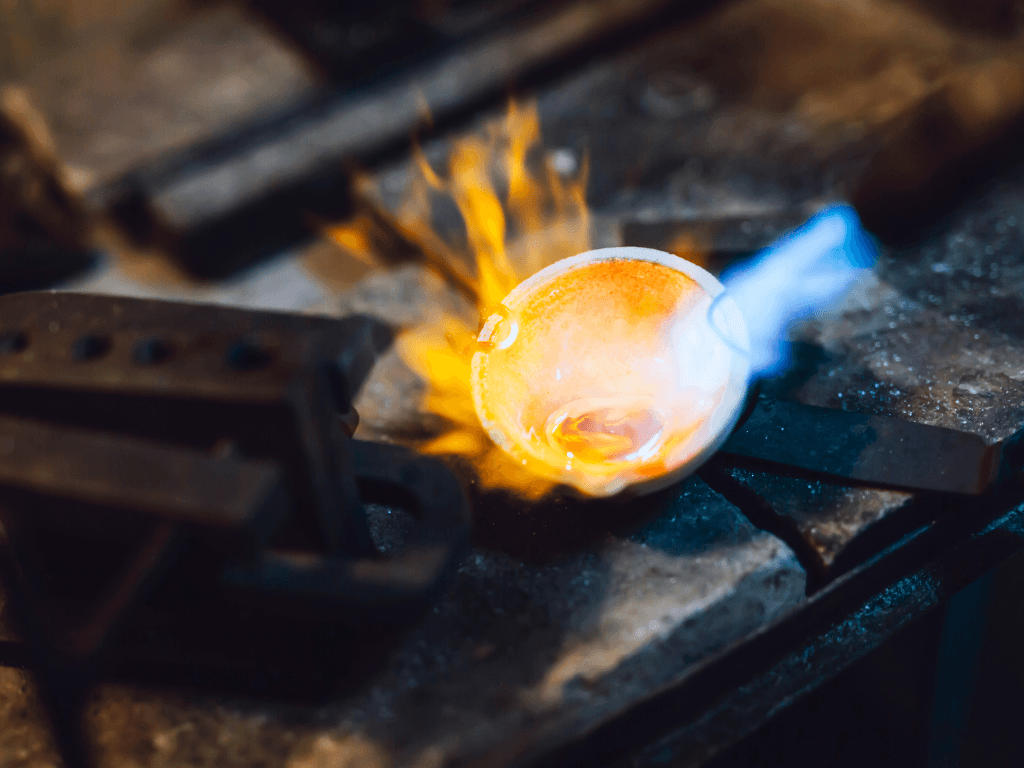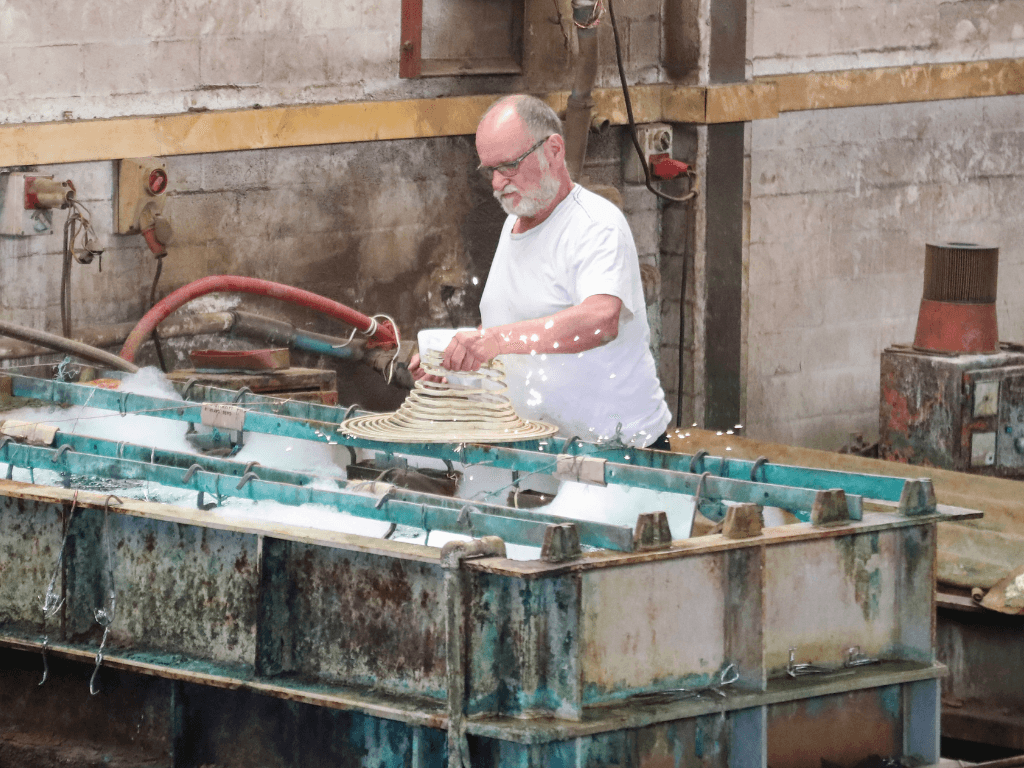
Nano-engineering is emerging as a transformative technology in the luxury jewelry industry, enabling unprecedented advances in coatings, durability, and color enhancement. By manipulating materials at the atomic and molecular levels, jewelers can now create pieces that are not only more resilient but also visually striking, opening new possibilities for design and consumer appeal.
⠀⠀⠀⠀⠀⠀⠀⠀⠀⠀⠀⠀⠀⠀
Enhanced Coatings and Surface Protection
⠀⠀⠀⠀⠀⠀⠀⠀⠀⠀⠀⠀⠀⠀
One of the primary applications of nano-engineering in jewelry is the development of advanced coatings. These coatings provide enhanced scratch resistance, corrosion protection, and anti-tarnish properties for metals such as gold, silver, and platinum. By applying nanoscale layers, jewelers can protect delicate surfaces while maintaining the luster and brilliance that luxury consumers expect. Additionally, nano-coatings can make jewelry hypoallergenic, addressing concerns among sensitive-skinned buyers.
⠀⠀⠀⠀⠀⠀⠀⠀⠀⠀⠀⠀⠀⠀
Strength and Durability
⠀⠀⠀⠀⠀⠀⠀⠀⠀⠀⠀⠀⠀⠀
Nano-engineered materials significantly improve the structural integrity of jewelry. Techniques such as embedding nanoparticles into metals or using nanocomposite coatings increase hardness and reduce brittleness, allowing intricate designs without compromising strength. This innovation enables jewelers to create complex, delicate patterns that would traditionally be prone to damage, expanding creative possibilities while ensuring longevity for the wearer.
⠀⠀⠀⠀⠀⠀⠀⠀⠀⠀⠀⠀⠀⠀
Color Enhancement and Optical Effects
⠀⠀⠀⠀⠀⠀⠀⠀⠀⠀⠀⠀⠀⠀

Nanotechnology also revolutionizes gemstone aesthetics. Nano-coatings can enhance color vibrancy, create unique optical effects, or stabilize hues that would otherwise fade over time. For example, thin-film nanocoatings can modify light reflection to produce iridescent effects, giving gemstones a distinctive and luxurious appearance. Beyond gemstones, nano-engineered metallic surfaces can exhibit custom colors without using chemical dyes, enabling jewelers to craft one-of-a-kind luxury pieces.
⠀⠀⠀⠀⠀⠀⠀⠀⠀⠀⠀⠀⠀⠀
Innovation Meets Sustainability
⠀⠀⠀⠀⠀⠀⠀⠀⠀⠀⠀⠀⠀⠀
Nano-engineering also supports sustainable jewelry practices. By enhancing durability and reducing the need for frequent polishing or replacement, it contributes to longer-lasting pieces and less environmental impact. Moreover, some nano-coatings allow the use of recycled metals while maintaining high-end finishes, aligning with the growing demand for ethically produced luxury items.
⠀⠀⠀⠀⠀⠀⠀⠀⠀⠀⠀⠀⠀⠀
Consumer Appeal and Market Trends
⠀⠀⠀⠀⠀⠀⠀⠀⠀⠀⠀⠀⠀⠀
Luxury consumers increasingly seek jewelry that combines aesthetics with functionality and innovation. Nano-engineered jewelry meets these expectations by offering enhanced durability, unique visual effects, and hypoallergenic properties, positioning it as a premium choice in the modern market. Brands incorporating nano-technology can differentiate themselves by offering high-performance, visually captivating, and environmentally conscious designs.
⠀⠀⠀⠀⠀⠀⠀⠀⠀⠀⠀⠀⠀⠀
Conclusion
⠀⠀⠀⠀⠀⠀⠀⠀⠀⠀⠀⠀⠀⠀
Nano-engineering is redefining the possibilities in luxury jewelry design, offering enhanced coatings, improved structural strength, and innovative color enhancements. By integrating this technology, jewelers can craft pieces that are not only beautiful but also resilient, sustainable, and highly desirable to discerning consumers. As technology continues to advance, nano-engineering will play a pivotal role in shaping the future of high-end jewelry.