For decades, the diamond industry was synonymous with rarity, tradition, and exclusivity. Natural diamonds, formed deep within the Earth over billions of years, dominated global jewelry sales and were considered the ultimate symbol of luxury and love. Yet in recent years, an alternative has rapidly emerged: lab-grown diamonds. Once perceived as a niche product, these scientifically engineered gems are now transforming the traditional jewelry market, reshaping consumer behavior, and challenging long-standing industry narratives.
The Science Behind Lab-Grown Diamonds

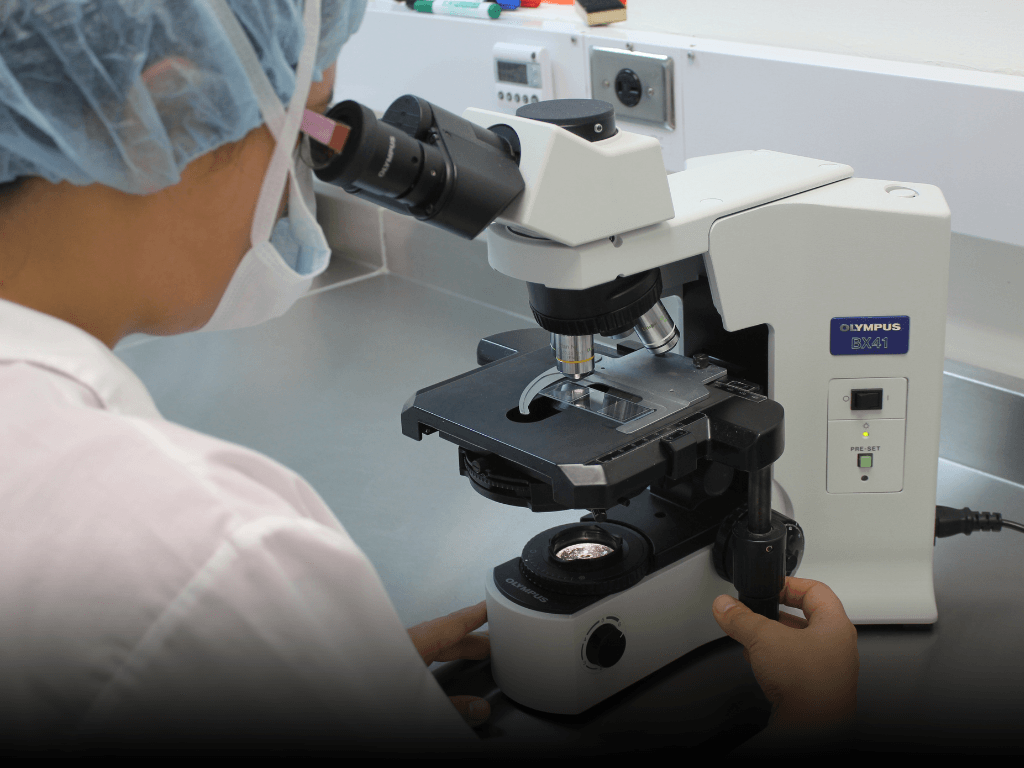
Lab-grown diamonds are not imitations; they are chemically, physically, and optically identical to mined diamonds. Produced using advanced techniques such as High Pressure High Temperature (HPHT) or Chemical Vapor Deposition (CVD), these diamonds replicate the conditions under which natural diamonds form in the Earth. The result is a stone that can be indistinguishable from its natural counterpart, even to trained gemologists without specialized equipment.
This scientific precision has helped lab-grown diamonds gain credibility, particularly among younger consumers who value transparency and innovation. By offering the same sparkle and durability as mined diamonds at a lower price point, lab-grown gems have entered the market as both a luxury product and a disruptive force.
Market Growth and Shifting Consumer Trends

According to industry reports, the global market for lab-grown diamonds has been expanding at double-digit growth rates annually. In 2016, lab-grown stones represented less than 2% of global diamond sales; by 2024, that share had surpassed 10%, with projections suggesting even faster adoption in the coming years.
Several factors drive this shift. Price accessibility remains the most significant: lab-grown diamonds typically cost 30–50% less than natural stones of comparable quality. This affordability makes them attractive to younger buyers, particularly millennials and Gen Z, who prioritize value while still seeking meaningful purchases.
At the same time, consumer attitudes toward sustainability are influencing buying decisions. Concerns over the environmental and ethical impact of diamond mining—including land degradation, carbon emissions, and labor conditions—have fueled interest in more sustainable alternatives. Lab-grown diamonds, which can be produced with renewable energy sources and minimal environmental disruption, align with the values of eco-conscious consumers.
Disruption in the Jewelry Industry
The rise of lab-grown diamonds has forced traditional jewelers and global luxury brands to adapt. Initially, many resisted the trend, questioning the long-term desirability of synthetic stones. However, as consumer demand surged, major retailers including Signet Jewelers, Pandora, and De Beers’ own Lightbox Jewelry have embraced lab-grown offerings.
This adoption signals a turning point: what began as a niche option for budget-conscious buyers is now mainstream. Jewelers are no longer positioning lab-grown diamonds merely as “alternatives” but as desirable products in their own right, marketed with an emphasis on modern values of sustainability, innovation, and affordability.
For traditional mining companies, this disruption poses challenges. Declining demand for smaller, lower-quality natural stones has already pressured margins. At the same time, the perception of rarity—long a cornerstone of natural diamonds’ allure faces increasing scrutiny as consumers accept that brilliance and symbolism can exist outside geological timeframes.
Beyond Engagement jewelry : Expanding Applications

Lab-grown diamonds are not only gaining traction in the bridal jewelry market but also in fashion jewelry and high-end accessories. Because they can be produced in larger sizes and higher clarity at a lower cost, designers are experimenting with creative applications that were once economically unfeasible. This flexibility opens new possibilities for jewelry collections that balance exclusivity with accessibility.
Moreover, lab-grown diamonds are finding utility beyond adornment. Industries such as electronics, medicine, and renewable energy use synthetic diamonds for their exceptional hardness and thermal conductivity. This duality of applications further reinforces their value and relevance in a modern economy.
The Future of Diamonds
The debate between natural and lab-grown diamonds is far from over. Traditional stones will likely retain their status among collectors and consumers who value geological rarity and heritage. However, lab-grown diamonds are no longer a passing trend; they represent a fundamental shift in the jewelry industry’s landscape.
As consumer priorities evolve toward sustainability, affordability, and innovation, lab-grown diamonds will continue to disrupt long-established practices. The transition from niche to mainstream reflects not just a change in product offerings but a redefinition of what luxury means in the 21st century: not only tradition and scarcity, but also choice, responsibility, and technological advancement.
The rise of lab-grown diamonds illustrates how science and shifting consumer values can upend even the most entrenched markets. What began as a small, experimental segment of the jewelry industry has become a global movement, challenging perceptions of rarity and redefining modern luxury. In doing so, lab-grown diamonds are not just disrupting the jewelry market they are shaping the future of how society understands value, sustainability, and beauty itself.