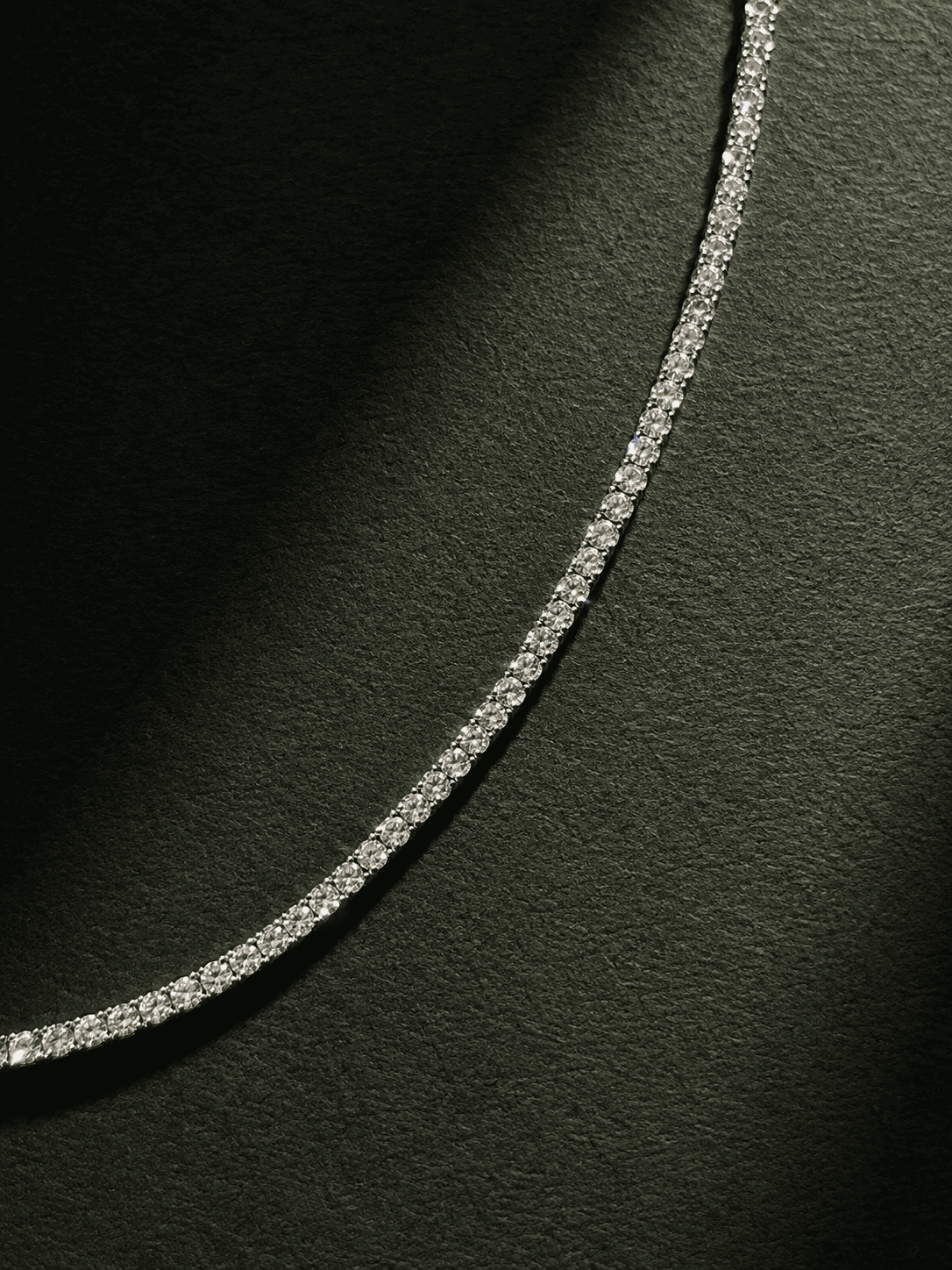
You have just purchased a stunning diamond tennis bracelet. It sparkles perfectly on your wrist, and you plan to wear it every single day. Many buyers believe that once they take their fine jewelry home, the story ends there that diamonds and gold are invincible and require zero maintenance.
Unfortunately, this is a dangerous misconception.
While diamonds are the hardest natural substance on earth, the metal holding them in place is not. Slowly and silently, a hidden threat is wearing down your jewelry. In the jewelry industry, this is known as prong wear and tear.
Here is an expert look at the physics of daily wear, why stones fall out, and how custom engineering can keep your diamonds safe for decades.
1. The Physics of Friction: What Happens to Your Jewelry
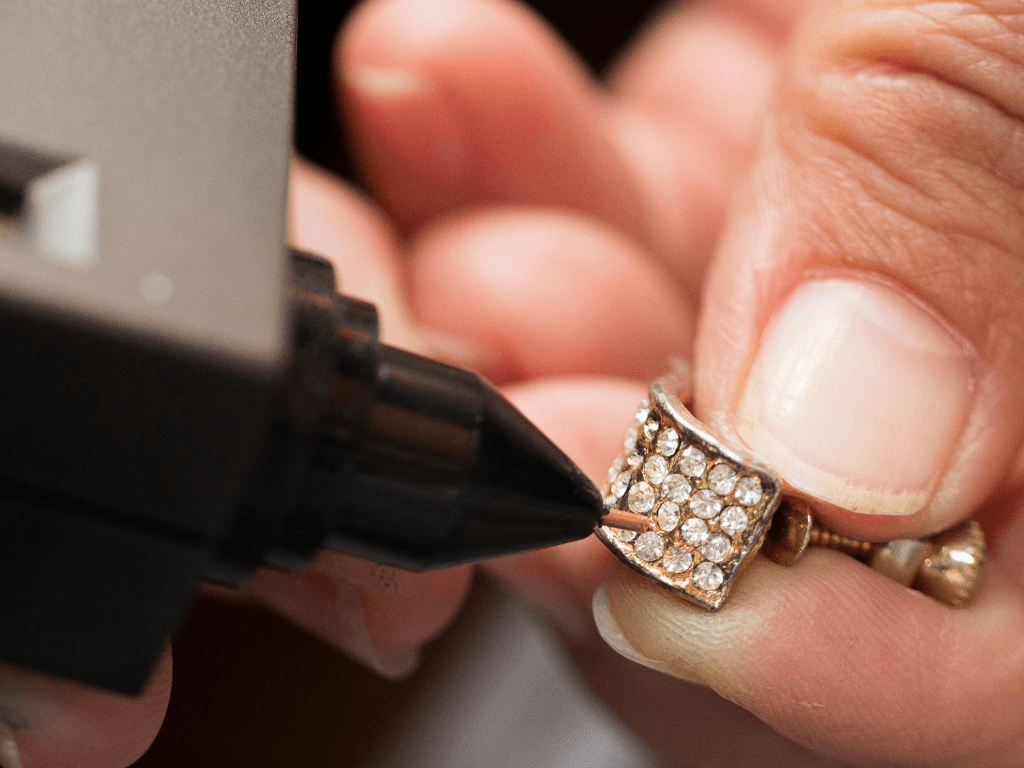
The "prongs" are the tiny metal claws that grip the edges of your diamonds to keep them secure. In a classic tennis bracelet or necklace, there are hundreds of these tiny claws.
Every time you wear your piece, those metal claws rub against your environment. They brush against your silk blouse, scrape lightly against your wooden office desk, and rub against your own skin.
The Slow Grind: Gold are precious, but they are relatively soft metals. Over months and years of constant friction, the tops of the metal prongs slowly shave down. They become flat, paper-thin, and eventually break off entirely.
The Breaking Point: A diamond needs a minimum number of strong prongs to stay locked in. Once a single prong wears down completely, the diamond becomes loose. One accidental bump against a doorframe, and the stone falls out, lost forever.
2. The Factory Flaw: Too Thin to Last
If friction is inevitable, why do some tennis bracelets last for 30 years while others lose stones after just 12 months? The answer lies in how the jewelry was originally engineered.
The Mass-Market Shortcut: To save money on gold and make the diamonds appear slightly larger, many commercial factory brands design their prongs to be extremely thin right from the start. While this looks delicate in the store window, it leaves zero room for error. A thin prong has no "sacrificial metal" meaning that once it starts to wear down, it will fail almost immediately.
The Warning Signs: If you look at your jewelry and the prongs feel sharp, look completely flat like a pancake, or catch on your clothing, it means they are dangerously worn down.
3. The Custom Solution: Engineered for Decades
Expert jewelers take a completely different approach. They know that a tennis bracelet is a high-wear item, so they engineer the prongs to fight back against friction.
Calculated Thickness: A master artisan calculates the exact thickness needed for the prongs. They use enough gold or platinum to ensure the piece can survive decades of daily rubbing, but they shape the metal carefully so it does not block the diamond's light.
The "Bead Prong" Finish: Instead of leaving the prongs flat, expert setters polish the tips of the prongs into perfect, smooth little domes (called bead prongs). A rounded, domed surface glides smoothly over clothing and skin, significantly reducing the amount of friction and extending the life of the jewelry.
Conclusion: Engineering Meets Maintenance
Fine jewelry is not magic; it is structural engineering. Even the best-made tennis piece should be taken to a jeweler once a year for a quick check-up under a microscope. By understanding that friction is a constant force, you can see why the initial thickness and shape of your prongs are the most important factors in keeping your diamonds safe.
Ready for jewelry engineered to last a lifetime?
If you want a diamond tennis bracelet or necklace that is built with absolute structural integrity, you need a maker who understands the physics of daily wear. Based in Thonburi, Bangkok, Siamrington is a bespoke fine jewelry studio, dedicated to creating pieces that are as durable as they are breathtaking. Moving away from the fragile, mass-produced shortcuts of standard retail,
Siamrington crafts tennis jewelry infused with a fierce, mystical elegance using premium, heavy-weight metal settings engineered to protect your stones for generations.
Contact Siamrington to commission your timeless, secure masterpiece today.