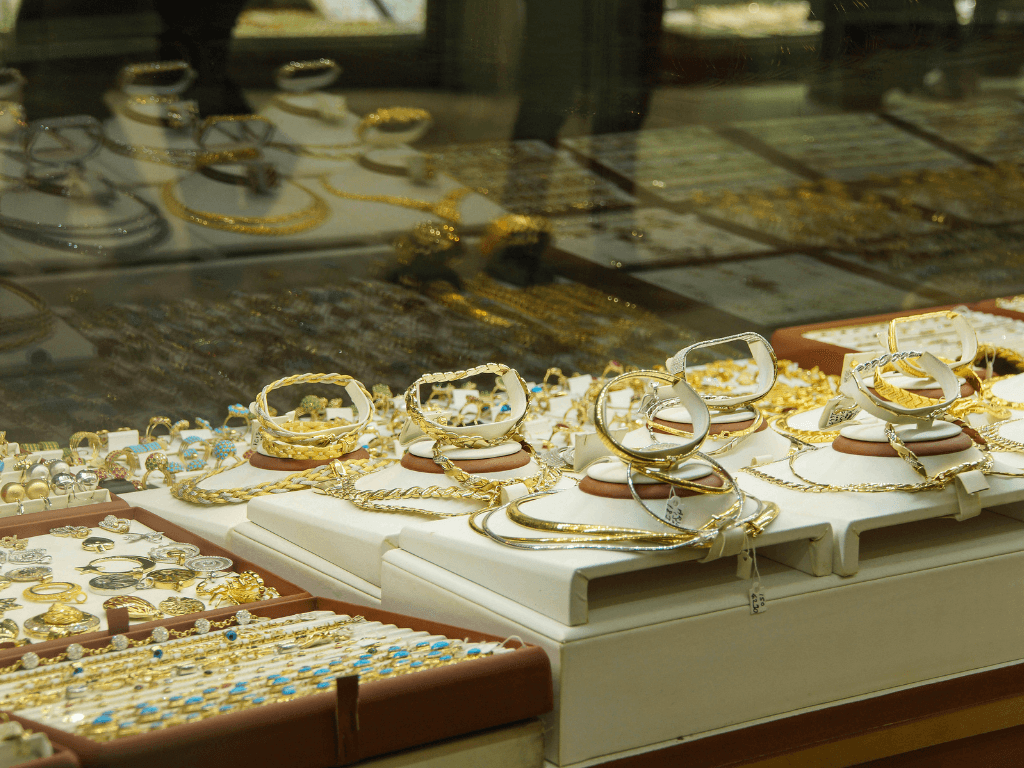
Southeast Asia has emerged as a key region for jewelry production and export, with countries such as Thailand, Singapore, Malaysia, and Vietnam serving as major hubs. These nations combine skilled craftsmanship, strategic location, and favorable trade policies to compete in the global jewelry market. Understanding the economic and political significance of these hubs is essential for policymakers, investors, and international trade partners.
Economic Significance of Jewelry Export Hubs

Jewelry export hubs contribute substantially to national and regional economies through several channels:
• Revenue Generation: Exports of gold, gemstones, and fine jewelry provide critical foreign exchange earnings and boost GDP. Thailand, for example, is one of the world’s largest exporters of silver and gold jewelry.
• Employment and Skills Development: The jewelry sector creates direct jobs in design, production, and retail, while also supporting ancillary industries such as gemstone cutting, metal refining, and packaging. Skilled artisans contribute to both domestic markets and international reputation.
• Foreign Investment and Trade Partnerships: These hubs attract multinational companies and international buyers, fostering technology transfer, training, and integration into global supply chains.
The concentration of expertise and infrastructure in these hubs enhances competitiveness, allowing Southeast Asian countries to command significant market shares in luxury and mid-tier jewelry markets.
Political Significance and Trade Policies

Jewelry export hubs are influenced by political decisions, trade policies, and international agreements:
• Export Incentives and Tariffs: Governments implement policies such as tax exemptions, export incentives, and trade facilitation programs to promote jewelry exports.
• Regulatory Compliance: Adherence to international standards for quality, ethical sourcing, and certification, such as the Kimberley Process for diamonds, enhances global credibility.
• Bilateral and Multilateral Agreements: Trade agreements with major markets like the United States, the European Union, and China help secure preferential access and protect national interests.
Political stability and supportive policies are crucial in maintaining the reliability and competitiveness of these export hubs.
Regional Competitiveness and Challenges

Southeast Asian jewelry hubs face both opportunities and challenges:
• Innovation and Design Leadership: Continuous investment in design innovation, branding, and marketing strengthens global competitiveness.
• Ethical and Sustainable Practices: Increasing demand for responsibly sourced gemstones and recycled metals requires adaptation to maintain market access.
• Supply Chain Vulnerabilities: Dependence on imported raw materials, fluctuating commodity prices, and geopolitical risks can affect production and export reliability.
• Competition: Neighboring countries and emerging markets challenge existing hubs, pushing them to differentiate through quality, branding, and service excellence.
Navigating these challenges requires a combination of strategic policy-making, investment in human capital, and adherence to international trade standards.
Global Market Impact
Southeast Asian jewelry hubs influence international markets through:
• Price and Quality Benchmarks: High-quality craftsmanship sets standards for global buyers, shaping expectations for both luxury and mass-market products.
• Supply Chain Integration: Hubs connect producers, refiners, and exporters with international retailers, enabling efficient distribution and competitive pricing.
• Cultural Influence: Traditional motifs and local designs exported globally contribute to soft power, promoting cultural heritage while enhancing economic returns.
These hubs serve as both economic engines and diplomatic assets, linking local economies to global trade networks.

Jewelry export hubs in Southeast Asia play a critical role in both economic and political landscapes. By generating revenue, creating employment, attracting foreign investment, and setting global quality benchmarks, these hubs significantly influence national prosperity and regional development. Political stability, supportive trade policies, and adherence to ethical standards are essential for sustaining competitiveness.
For policymakers and investors, understanding the dynamics of jewelry export hubs provides valuable insights into global trade, regional economic integration, and the interplay between cultural heritage and international markets. Southeast Asia’s jewelry industry exemplifies how strategic planning, skilled craftsmanship, and policy support can transform natural resources into economic and political leverage on the global stage.