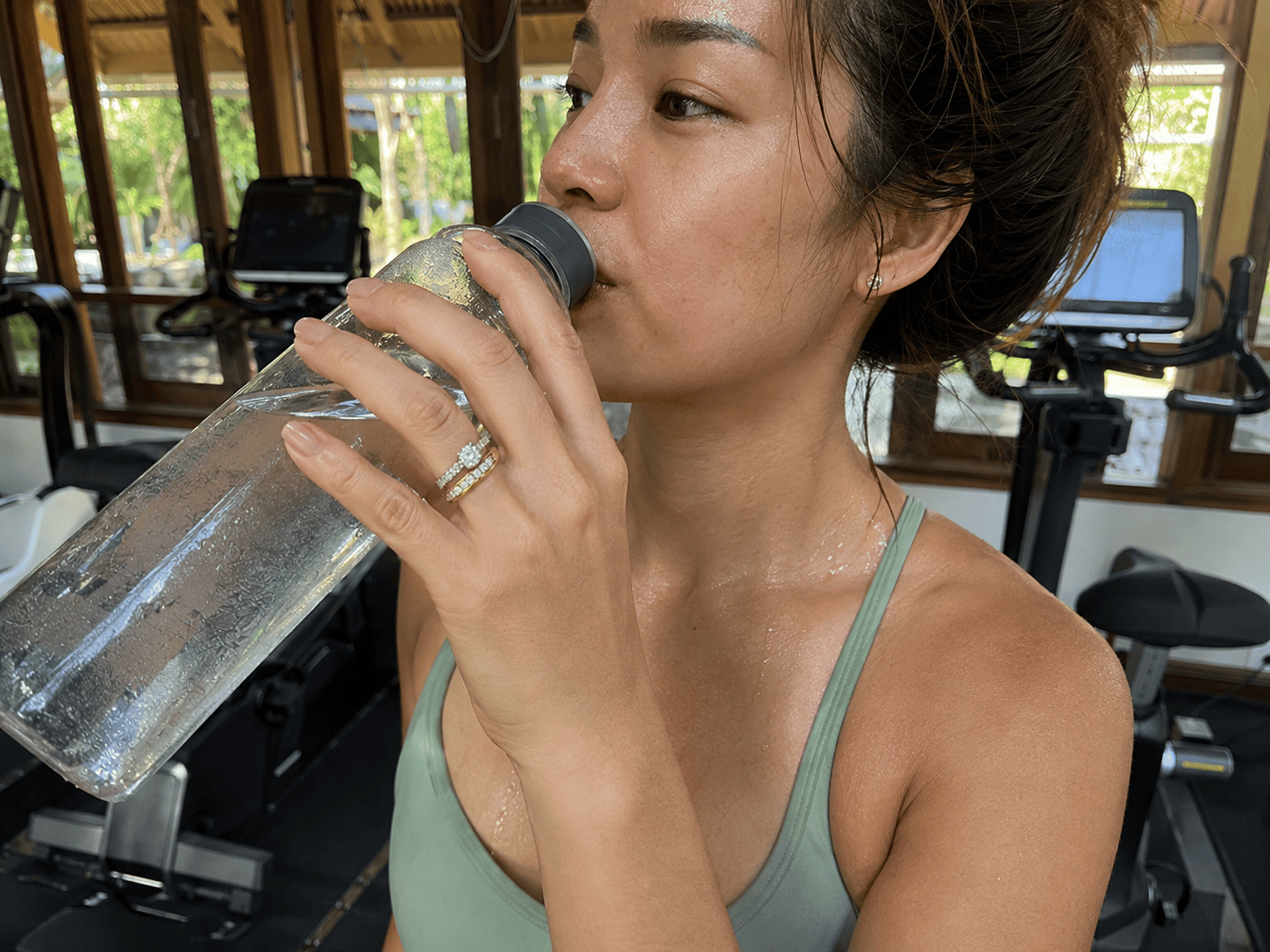
If you love working out, hitting the trails, or living an active hands-on lifestyle, you probably face a familiar dilemma every morning: Can I wear my gold ring today, or will a workout completely ruin it?
Gold has a reputation for being a soft, delicate metal, but not all gold is made the same. Because pure 24K gold is too malleable for daily fine jewelry, it is blended with other metals like copper, silver and palladium to create durable alloys known as 9K, 14K, and 18K gold.
If you want a ring that can keep up with gym sessions, outdoor adventures, and everyday hustle without ending up covered in scratches, which karat is actually best?
Let’s break down the truth about gold purity, scratch resistance, and how each alloy handles real-world active wear.
The Karat Breakdown: Why Pure Gold Needs Friends
To understand scratch resistance, it helps to know how gold alloys work. Gold purity is measured in 24 parts (karats):
- 9K Gold (37.5% Pure Gold): Contains more alloy metals (62.5%) than actual gold. This high proportion of base metals makes it naturally harder and denser on the surface.
- 14K Gold (58.3% Pure Gold): Blends more than half pure gold with durable alloy metals. It is widely considered the sweet spot between purity and everyday durability.
- 18K Gold (75% Pure Gold): The international standard for luxury fine jewelry. It offers a rich, warm golden color with a higher percentage of pure gold and just 25% alloy metals.
9K Gold: High Scratch Resistance, but with Trade-offs
Because 9K gold is mostly made of non-gold metals like copper and silver, its surface is the hardest of the three. It resists minor surface scuffs and hairline scratches better than 14K or 18K gold.
However, harder does not always mean better for active lifestyles:
- Tarnish and Sweat: Because over 60% of the metal consists of base alloys, 9K gold can react to sweat, chlorine, and acidic skin oils, causing it to tarnish or turn slightly dull over time.
- Brittleness: While 9K resists surface scratches, it is more brittle than higher karats. If it takes a direct, heavy hit against a piece of gym equipment, it is more prone to cracking rather than gently flexing.
- Skin Sensitivity: The higher nickel or copper content in some 9K blends can trigger allergic skin reactions when your hands get hot and sweaty during workouts.
14K Gold: The Durable Everyday Workhorse
For many active wearers, 14K gold hits the perfect balance between real gold luxury and daily resilience.
- Great Scratch Resistance: With over 40% alloy metals, 14K gold is tough enough to withstand daily bumps, keyboard taps, steering wheels, and light outdoor activities without scratching easily.
- Corrosion Resistant: Unlike 9K, 14K has enough gold content to resist tarnishing from sweat and moisture during regular daily wear.
- Solid Structural Integrity: It holds gemstone prongs tightly and is much less likely to bend out of shape during casual active use.
18K Gold: The Luxurious Choice That Ages with Character
18K gold is the gold standard for heirloom rings and bespoke fine jewelry. With 75% pure gold, it has a rich, luminous glow and is completely hypoallergenic, making it gentle on sensitive skin.
- Surface Softness: Because it contains a high percentage of pure gold, 18K will pick up tiny micro-scratches (often called a soft "patina") more quickly than 14K or 9K if it rubs against hard textures.
- Never Tarnishes: 18K gold will never corrode, discolour, or rust from sweat, humidity, or daily wear.
- Easy to Refresh: While 18K picks up surface marks over time, it is very easy for a jeweler to polish back to a mirror shine whenever you want it looking brand new.
The Gym Reality Check: Steel Barbells vs. Any Gold Ring
Here is an honest truth that every jeweler should tell you: no gold alloy will survive direct contact with gym equipment.
Dumbbells, barbells, and kettlebells are made of hardened, knurled steel. Steel is significantly harder than 9K, 14K, and 18K gold alike. If you grip a heavy barbell while wearing any gold ring, the steel knurling will gouge deep grooves into the metal, flatten the bottom of the band, and potentially warp the ring out of round.
More importantly, wearing hard metal rings while lifting poses a safety hazard.
How to Protect Your Rings While Staying Active
- Take It Off for Heavy Lifting: Keep a small jewelry pouch in your gym bag or wear your ring on a secure pendant chain around your neck while working with weights.
- Use a Silicone Ring at the Gym: Swap your fine jewelry for a flexible silicone band during high-impact workouts, rock climbing, or contact sports.
- Choose a Matte or Brushed Finish: If you love wearing your ring everywhere and want to disguise minor daily scuffs, choose a brushed or satin finish rather than a high-polish shine.
- Opt for Sturdy Band Thickness: For active wearers, avoid ultra-thin bands (under 1.6mm). A slightly thicker, comfort-fit profile provides structural strength that resists warping over years of wear.
Which Gold Karat Should You Choose?
If maximum scratch resistance for an active daily routine is your top priority and you prefer a balance of durability and value, 14K gold is generally the best all-around choice.
If you prefer rich color, heirloom purity, and skin-friendly luxury and don't mind taking your ring off during heavy gym workouts 18K gold remains the premier choice that holds its value and luster for a lifetime.
At siamrington, we believe fine jewelry should be designed for real life, not just for special occasions. Based in our Bangkok fine jewelry studio, our team works closely with clients to create bespoke rings and custom jewelry tailored to their personal lifestyle balancing metal purity, band thickness, and setting security so your piece stays stunning wherever your day takes you.